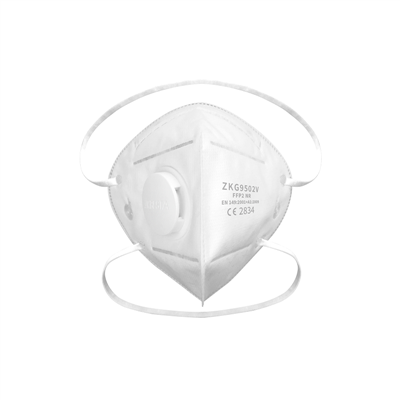
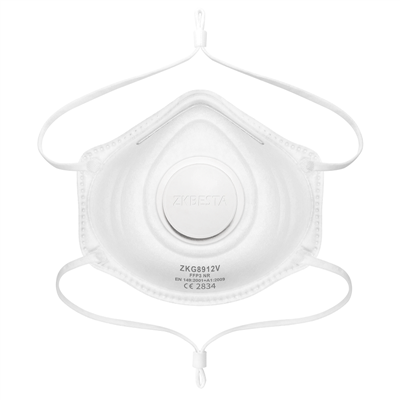
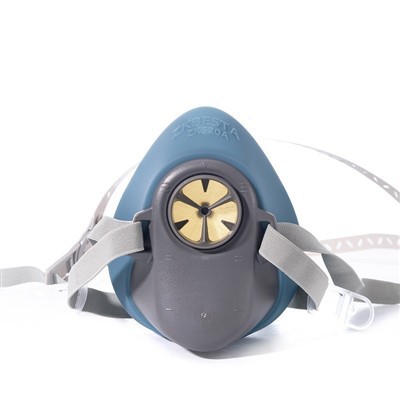
What exactly can the activated carbon layer of an activated carbon mask protect against?
The activated carbon layer in masks mainly relies on physical adsorption and chemical impregnation adsorption to provide protection against the following hazards:
1.Organic vapors & solvent gases
Effectively adsorbs benzene, toluene, xylene, alcohol, ether, gasoline vapor, paint mist organic volatile substances, widely used for spray painting and chemical operations.
2.Harmful indoor & chemical gases
Adsorbs formaldehyde, ammonia, and volatile harmful gases released from decoration materials, furniture and chemical raw materials.
Acidic & alkaline irritating gases
Impregnated activated carbon can absorb acidic gases such as sulfur dioxide, hydrogen sulfide, chlorine gas, as well as partial alkaline irritating gases.
3.Odors & peculiar smells
Eliminates industrial odor, sewage odor, garbage odor, kitchen peculiar smell and body odor.
Note on particulate protection
The activated carbon layer itself does not rely on carbon to filter fine particles (dust, smoke, haze).
Particle filtration depends on the melt-blown fabric filter layer; adding activated carbon layer will not reduce the original particulate filtration efficiency of KN95/N95/FFP2 masks.
What key points should be focused on when choosing activated carbon masks?
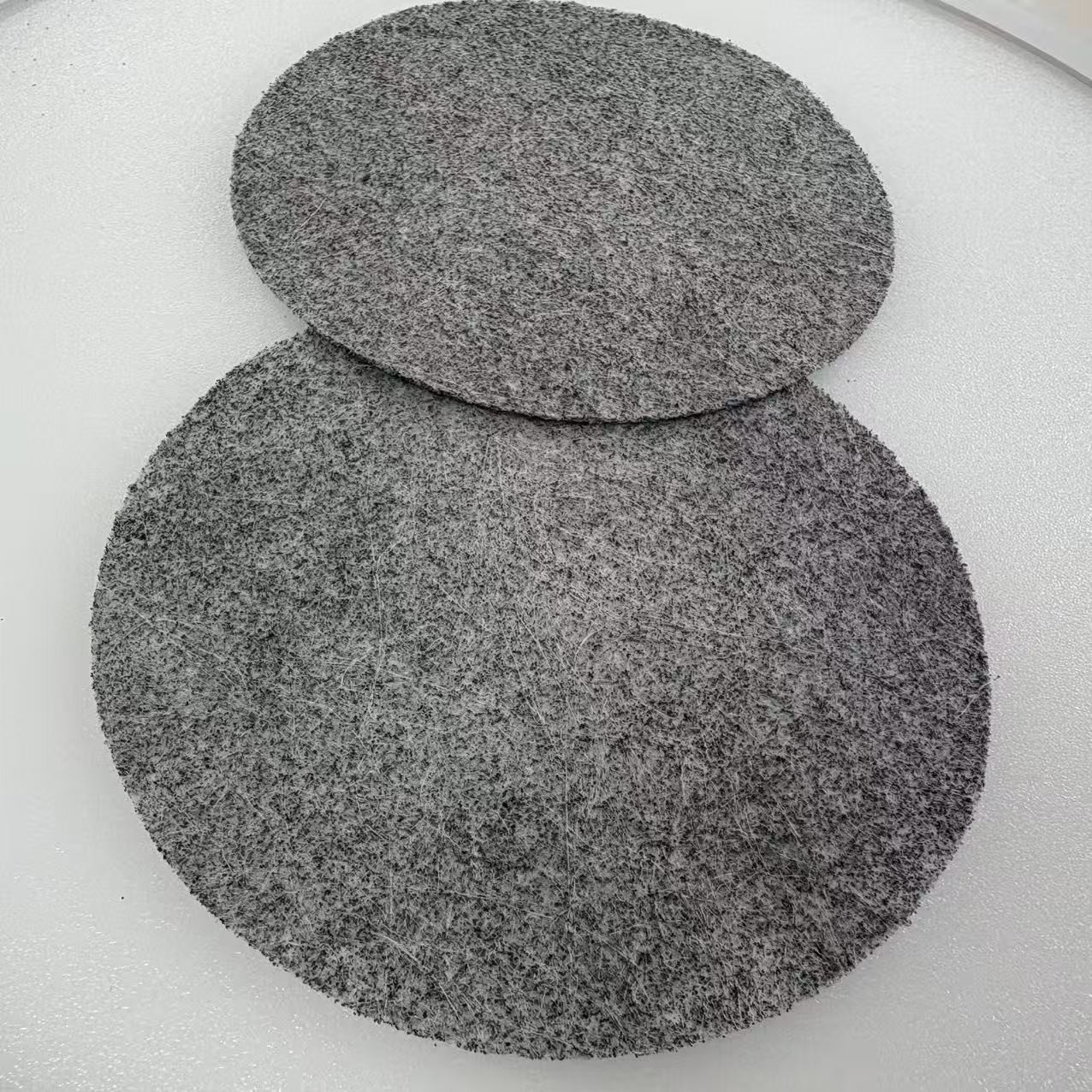
Choosing a qualified activated carbon mask is not just about picking a mask with carbon layer. You need to focus on core practical points to balance protection, comfort and cost performance.
1.First, check official protection standards and filtration grade. Prioritize certified grades such as KN95, KP95, FFP2 and N95. Clearly distinguish protection for oil-based and non-oil-based particles, and match the correct grade according to working scenarios like painting, welding and chemical operation.
2.Second, pay attention to activated carbon quality and type. Prefer coconut shell carbon and impregnated activated carbon with stronger adsorption performance. Avoid low-grade ordinary carbon which hardly absorbs formaldehyde, organic vapors and acidic gases. The carbon layer thickness and gram weight directly decide adsorption capacity and service life - higher carbon content means longer anti-odor and anti-gas effect.
3.Third, value comprehensive filtration performance. A good activated carbon mask combines melt-blown fabric particle filtration with carbon layer gas adsorption. It can block dust, smoke and fine particles, while effectively adsorbing formaldehyde, volatile organic vapors, acidic gases and all kinds of peculiar odors. Never choose decorative carbon layers with no real adsorption effect.
4.Fourth, consider breathing resistance and wearing comfort. Premium masks keep proper air permeability even with extra carbon layer, not stuffy or hard to breathe for long-time wear. Ergonomic design fits the face tightly to prevent air leakage, and soft ear loops reduce pressure and fatigue.
5.Fifth, focus on material safety and skin friendliness. Select hypoallergenic non-woven fabric and skin-friendly ear loop materials, suitable for sensitive skin. Qualified products prevent carbon powder falling off, avoiding secondary respiratory irritation.
Lastly, master replacement rules and storage conditions. Activated carbon will gradually reach adsorption saturation. Replace in time when you smell obvious odor or feel increased breathing resistance. Unused masks require sealed storage to avoid moisture and performance failure.
As a professional respirator manufacturer, ZKBESTA independently develops and produces activated carbon raw materials. Welcome to contact us for activated carbon mask inquiries.