What is the activated carbon mask adsorption capacity against organic vapors, acidic gases, peculiar odors, formaldehyde and other substances? Does it affect the filtration efficiency of particulate matter (dust/smoke)?
From a procurement perspective, activated carbon mask adsorption capacity and its impact on particulate filtration can be summarized in three points:
I. Adsorption Capacity Depends on Contaminant Type
Organic vapors (benzene, toluene, etc.) are the primary strength of activated carbon, with physical adsorption capacity reaching tens to hundreds of milligrams per gram. However, low-boiling-point, highly polar substances and high-humidity environments significantly reduce effectiveness. Acidic gases (e.g., hydrogen chloride, sulfur dioxide) require alkaline-impregnated chemically modified activated carbon, which typically offers lower capacity. Formaldehyde demands specialized catalytically modified filter media-standard activated carbon is largely ineffective. Odor removal depends on specific composition and requires targeted selection.
II. Impact on Dust Filtration Depends on Manufacturing Process
Standard products employ multi-layer composite construction: the activated carbon layer handles gas adsorption, while the inner melt-blown electret fiber layer provides core particulate filtration. Qualified products do not significantly reduce filtration efficiency by adding activated carbon. However, two issues warrant caution: excessive activated carbon loading increasing porosity, or inferior melt-blown fabric with low efficiency and high breathing resistance compromising facial fit. Procurement should require filtration efficiency reports and breathing resistance data.
III. Practical Procurement Guidelines
Do not purchase activated carbon masks for environments without gaseous contaminants to avoid functional redundancy. A mandatory replacement schedule must be established-activated carbon saturation shows no visible change, yet protection is already compromised; "dirty or not" is not a valid criterion. For industrial procurement, select products compliant with GB 2626 or EN 149 standards, and require technical parameters including activated carbon type and breakthrough time; consumer-grade products are unsuitable for occupational protection. High-temperature, high-humidity
environments require shortened replacement cycles.
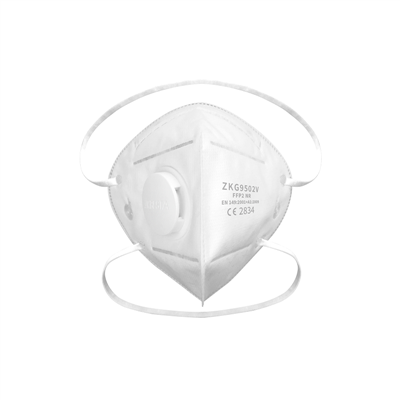
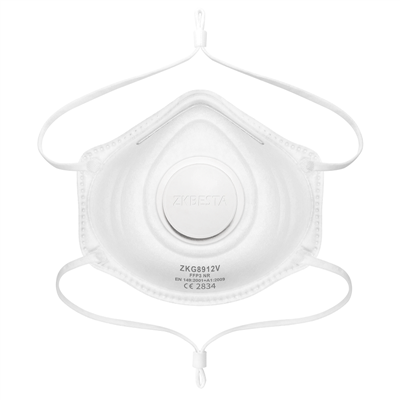
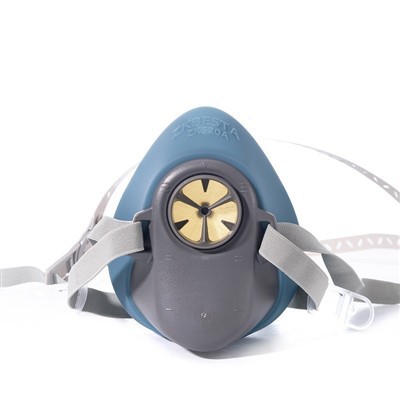
Here we ZKBESTA ,using high-quality granular activated carbon as adsorption material to produce the activated carbon mask , the exclusive process of manufacturing non-glue activated carbon fabric, effectively avoiding glue blocking the pores of activated carbon to reduce the adsorption performance, and compared with the traditional activated carbon cloth with glue, it has the advantages of good uniformity, high permeability, no odor, high carbon content, and the activated carbon particles are not easy to come off, and it has a good adsorption effect on all kinds of industrial waste gas, such as benzene,formaldehyde, sulfur dioxide, and so on.
ZKBESTA activated carbon masks are widely favored in steel smelting and coal mining operations, delivering core value by combining high-concentration particulate protection with gaseous contaminant adsorption.