When Should an Employer Choose a Half-Face Respirator Over a Disposable N95/FFP2?
From a respiratory protection industry perspective, employers should select a half-face respirator over a disposable N95/FFP2 for long-term, high-frequency use scenarios, where it delivers superior comfort, more consistent protection, and a lower total cost of ownership (TCO)-especially in industrial settings with ongoing exposure hazards. Below is a detailed analysis from comfort and TCO dimensions, aligned with industry best practices.
1. Comfort Perspective: Half-Face Respirators Outperform Disposable N95/FFP2 in Long-Term/High-Frequency Use
The comfort drawbacks of disposable N95/FFP2 masks become pronounced with extended wear. Half-face respirators address these core pain points through custom sealing, ergonomic materials, and adjustable designs, making them ideal for 4+ hours of daily wear, continuous shifts, high-temperature/humidity environments, or high-intensity work.
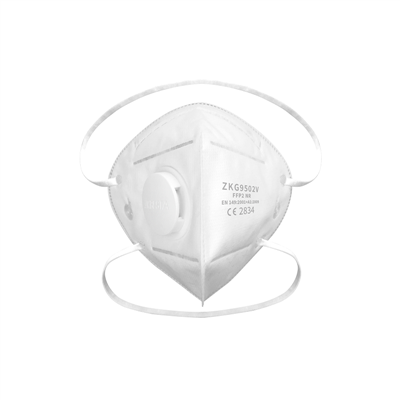
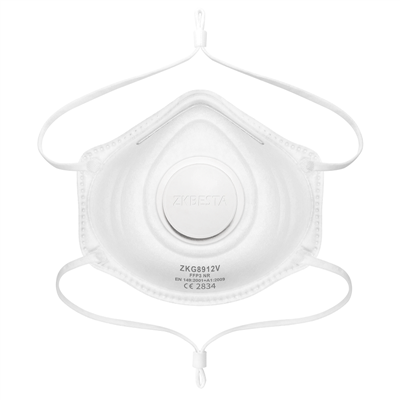
Disposable N95/FFP2
Sealing & fit discomfort: One-size-fits-all design leads to inconsistent facial fit across individuals. Common issues include redness and pain on cheekbones/nose bridge after 2–4 hours of wear.
Poor seal stability: Metal/hard plastic nose clips lose shape with repeated bending. Leakage and shifting occur easily with sweating or movement, requiring frequent adjustments that disrupt work focus.
Limited compatibility: Ineffective sealing for workers with facial hair, scars, or irregular facial structures, leading to high risk of protection failure.
High breathing resistance & heat buildup: Dense filter media causes rapidly increasing breathing resistance (worse when damp), leading to breathlessness or dizziness during intense work. Most N95 masks lack exhalation valves, trapping moisture and heat inside-causing overheating, sweating, itching, or skin irritation/acne in hot/confined spaces.
Prolonged wear fatigue: Narrow elastic headbands cause headache/ear pain after 4–6 hours of wear. Stiff material restricts facial movement, pulling skin during talking/turning and reducing work flexibility.
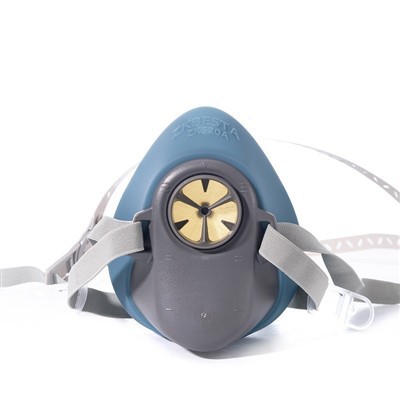
Half-Face Respirators
Superior sealing & fit: Available in multiple sizes (S/M/L) with soft, flexible silicone/rubber facepieces that distribute pressure evenly across the face. No concentrated pain on cheekbones/nose bridge-8+ hours of continuous wear causes minimal discomfort.
Adjustable & stable fit: Dual adjustable headbands (top + side) adapt to various head/facial shapes. The respirator stays securely in place during sweating, bending, or turning, maintaining a reliable seal.
Enhanced compatibility: Designed for industrial use, compatible with facial hair (with beard seals) and eyeglasses (anti-fog features)-far more adaptable than disposable masks.
Lower breathing resistance & cooler wear: Large, optimized filter cartridges/cartridges provide high airflow with minimal resistance, ensuring easy breathing during strenuous tasks (e.g., lifting, welding). A high-efficiency exhalation valve rapidly expels hot, moist air, keeping the inside of the respirator dry and comfortable-critical for hot/humid or confined work areas. A buffer space between the facepiece and skin reduces friction, lowering allergy and inflammation risks.
Reduced fatigue for long shifts: Wide headbands with neck support distribute weight across the head and neck, eliminating tightness. No significant fatigue during 8–12 hour shifts. The flexible facepiece moves naturally with facial expressions, allowing unrestricted talking, turning, or bending.
Comfort Conclusion
Short-term (≤2 hours), low-frequency (1–2 times daily), low-intensity tasks (e.g., office visitors, brief inspections): Disposable N95/FFP2 masks are sufficiently comfortable and offer convenience.
Long-term (≥4 hours), high-frequency, high-intensity, hot/humid, or critical seal-dependent tasks (e.g., welding, grinding, spraying, chemical handling, construction): Half-face respirators provide significantly better comfort, reducing work disruptions and occupational discomfort (headaches, skin issues).
2. Total Cost-of-Ownership (TCO) Perspective: Half-Face Respirators Lower Long-Term Costs
TCO includes initial purchase, consumable replacement, maintenance, labor efficiency, and protection failure risk costs. While disposable N95/FFP2 masks have a low unit price, consumable costs skyrocket with long-term high-frequency use, alongside hidden costs from protection failures and reduced productivity. Half-face respirators have a higher upfront cost but lower long-term expenses (durable body, cheap consumables, minimal maintenance), delivering a lower TCO over time.
Initial Purchase Cost
Disposable N95/FFP2: ¥1–5 per unit (domestic: ¥1–2; imported: ¥3–5). No additional parts required. Initial cost for a 100-person team: ¥100–500.
Half-face respirator: ¥80–200 per body (domestic: ¥80–120; imported: ¥150–200), plus ¥10–50 per pair of filters/cartridges. Initial cost for a 100-person team: ¥10,000–25,000.
Consumable Replacement Cost (Long-Term High-Frequency Use)
Disposable N95/FFP2:
Frequent replacement: Industry standards recommend 1 mask per day (8 hours); immediate replacement if damp, contaminated, or damaged.
Annual cost per worker: 250 working days × ¥1–5 = ¥250–1,250. For 100 workers: ¥25,000–125,000 annually. Prices are volatile due to supply chain fluctuations (e.g., pandemic-era spikes).
Half-face respirator:
Durable body: Silicone/rubber facepieces last 6–12 months (with regular cleaning and no damage).
Infrequent filter replacement: Filters last 1–2 weeks (40–80 hours) in normal dust environments; 3–5 days in harsh conditions (high dust/odor).
Annual cost per worker: (250 days ÷ 40 hours) × ¥10 + (¥100 ÷ 12 × 12) ≈ ¥162.5. For 100 workers: ¥16,250 annually-1/5 to 1/10 the cost of disposables. Consumable prices are stable with reliable supply chains.
Maintenance & Management Cost
Disposable N95/FFP2:
No maintenance cost, but high management overhead: Bulk purchasing, storage, distribution, and waste disposal. Large inventory footprint and high waste handling costs (regulated industrial waste). High loss/damage rate (70%–80% actual usage), leading to hidden waste costs.
Half-face respirator:
Simple maintenance: Clean the facepiece daily with neutral detergent, air dry, and store-≤5 minutes per worker daily.
Low management cost: Reusable bodies reduce inventory to spare respirators and consumables, minimizing storage space. Low loss/damage rate (≥95% actual usage). Reduced waste disposal costs (only filters/cartridges replaced), lowering environmental compliance expenses.
Labor Efficiency & Protection Failure Risk Costs
Disposable N95/FFP2:
Significant productivity loss: Poor comfort leads to high work interruption rates (frequent adjustments, removing masks to breathe). Extended wear causes fatigue and reduced focus, lowering productivity by 10%–20%.
High protection failure risk: Poor sealing increases exposure to dust/hazardous gases, raising the risk of occupational diseases (e.g., pneumoconiosis, respiratory illnesses). Compensation and medical costs for a single pneumoconiosis case can reach hundreds of thousands of yuan.
Half-face respirator:
Minimal productivity loss: High comfort and stable sealing result in ≤2% work interruption rates. Reduced worker fatigue boosts productivity by 5%–10%.
Low protection failure risk: Compliant with GB 2626/EN 143 standards, delivering reliable sealing and consistent filtration efficiency (≥95%). Occupational disease risks are drastically reduced, keeping compensation and medical costs manageable.
TCO Conclusion
Short-term (≤3 months), low-frequency (≤2 hours daily), small teams (≤20 workers): Disposable N95/FFP2 masks have a lower TCO, prioritizing convenience.
Long-term (≥6 months), high-frequency (≥4 hours daily), large teams (≥50 workers), industrial dust/hazardous gas exposure: Half-face respirators deliver a significantly lower TCO, typically recouping upfront costs within 3–6 months and generating ongoing savings while reducing occupational disease and productivity loss risks.
3. Industry Recommended Selection Scenarios
Employers should prioritize half-face respirators over disposable N95/FFP2 masks when any of the following core conditions are met:
Wear duration: ≥4 hours of continuous daily wear, or ≥20 hours of weekly wear.
Work environment: High temperature, high humidity, confined spaces, high-intensity labor, or exposure to dust, welding fumes, spray mist, chemical odors, etc.
Team size: ≥50 workers with long-term (≥6 months) continuous operations.
Protection reliability requirements: Need stable sealing and high filtration efficiency to reduce occupational disease risks (e.g., welding, grinding, chemical, construction, mining industries).
Cost objectives: Target minimum long-term (≥1 year) TCO to reduce consumable waste and hidden costs.
Conversely, disposable N95/FFP2 masks are more suitable for short-duration, low-frequency, low-risk scenarios (e.g., office visitors, brief inspections, low-dust environments).
Looking for professional FFP2/Half-face respirator , pls contact ZKBESTA .