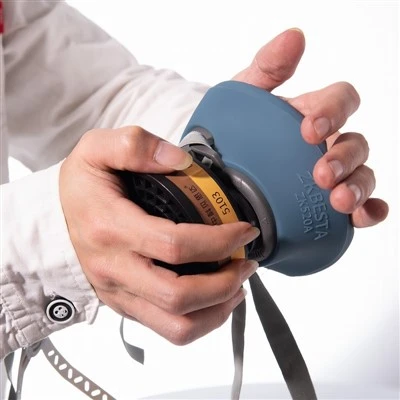
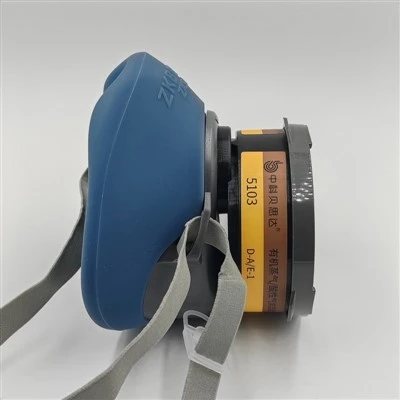
Why Respirator Comfort Is Critical in OSHA and EN-Compliant Industrial Respiratory Protection
When selecting industrial respiratory protective equipment (RPE), most safety managers focus on NIOSH approval, OSHA compliance, filtration efficiency, and EN certification standards such as EN 136 and EN 140.
However, one factor directly impacts real-world protection performance and worker compliance: respirator comfort.
For industrial PPE suppliers, respirator manufacturers, and safety procurement teams, understanding the role of comfort is essential to building effective and compliant respiratory protection programs.
1. OSHA Respiratory Protection Requirements and User Compliance
Under OSHA 29 CFR 1910.134, employers must implement a complete respiratory protection program, including:
Hazard assessment
Proper respirator selection
Fit testing
Medical evaluation
Mandatory usage in contaminated environments
Even when using a NIOSH-approved respirator, protection fails if workers do not wear the device continuously or correctly.
If a respirator causes:excessive facial pressure,high breathing resistance,heat buildup,head harness discomfort
Workers may:loosen the face seal,remove the mask temporarily,avoid wearing it for full shift duration
From a compliance perspective, comfort directly influences OSHA program effectiveness. A technically certified respirator without ergonomic optimization increases exposure risk.
2. EN 136 and EN 140: Seal Integrity and Ergonomic Design
In the European market, respirators must comply with:
EN 136 – Full Face Masks
EN 140 – Half Masks and Quarter Masks
These standards specify requirements for:
Inward leakage/Breathing resistance/Mechanical strength/Field of vision
While laboratory testing ensures regulatory compliance, real-world seal performance depends heavily on comfort and fit.
A poorly designed facepiece may lead to:uneven pressure distribution,seal displacement during head movement,long-term facial fatigue,micro-leakage over extended use
High-quality respirator manufacturers integrate:
Silicone or TPE face seals
Ergonomic contour geometry
Multi-point adjustable harness systems
This combination enhances both EN-compliant performance and long-duration wear stability.
3. Breathing Resistance, NIOSH Standards, and Worker Endurance
All NIOSH-approved respirators must meet strict inhalation and exhalation resistance limits.
However, lower breathing resistance improves:
Worker endurance/Productivity/Cardiovascular stability/Heat stress tolerance
In high-demand environments such as:
Chemical manufacturing/Ammonia handling facilities/Spray painting operations/Confined space maintenance/Construction sites
Reduced airflow resistance significantly lowers physiological burden.
Industrial buyers increasingly search for:
Low breathing resistance respirators
Industrial gas mask manufacturer
Ammonia respirator cartridge supplier
Wholesale respirator filters
Comfort-enhanced airflow design becomes a competitive differentiator in B2B procurement decisions.
4. Thermal Management and Extended Wear in Industrial Environments
Full-shift respirator use (4–8+ hours) creates challenges such as:
Internal heat accumulation
Moisture retention
Lens fogging (full face masks)
Skin irritation
Modern EN 136 compliant full-face masks and industrial half masks address these issues through:
Efficient exhalation valve systems
Anti-fog coated visors
Lightweight structural materials
Optimized internal airflow channels
For industrial PPE distributors and safety equipment suppliers, promoting long-duration wear comfort helps attract professional procurement buyers searching for:
Industrial respiratory protection solutions
Bulk respirator supply
Factory direct respirator manufacturer
5. Why Comfort Matters in B2B Respirator Procurement
For procurement managers and safety engineers, respirator selection is not just about certification status.
A respirator that is NIOSH-approved and EN-certified but uncomfortable may result in:
Lower compliance rates
Increased workplace exposure incidents
Reduced worker productivity
Higher total cost of ownership
Therefore, when evaluating a respirator manufacturer or wholesale industrial PPE supplier, buyers should assess:
Facepiece material quality
Seal flexibility
Weight distribution
Breathing resistance metrics
Long-duration wear suitability
This aligns with global trends in occupational health management, where human-centered design meets regulatory compliance.
Conclusion: Comfort Is a Performance Variable, Not a Luxury Feature
In OSHA-regulated and EN-certified respiratory protection systems, comfort is not optional.
It directly affects:
Wearer compliance
Seal integrity
Breathing efficiency
Long-duration usability
Real-world exposure control
For industrial safety managers, distributors, and global PPE procurement teams, selecting respirators should involve a balanced evaluation of:
Certification compliance (NIOSH / EN 136 / EN 140)
Filtration performance
Application suitability
Ergonomic and comfort design
In modern industrial respiratory protection, comfort enhances compliance, and compliance ensures protection.