Full-Face vs. Half-Face Respirators: How to Choose the Right Protection for Your Work Environment
In industrial and chemical workplaces, respiratory protection is a critical component of occupational health and safety management. Selecting the appropriate respirator-whether a half-face or full-face model-directly impacts protection performance, regulatory compliance, and operational efficiency. This article outlines the recommended application scenarios for each type to support informed PPE selection decisions.
What Is a Half-Face Respirator?
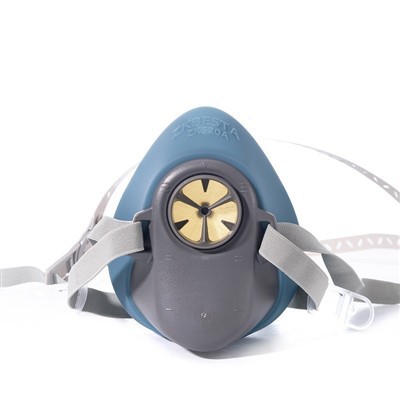
A half-face respirator covers the nose and mouth and is designed to protect the respiratory system from airborne contaminants. It does not provide eye or full facial protection. These respirators are typically used in environments with particulate hazards or low-to-moderate concentrations of gases and vapors.
Suitable Work Scenarios for Half-Face Respirators
1. Dust and Particulate Exposure (Low to Moderate Risk)
Industries such as construction, stone processing, woodworking, and metal fabrication often generate airborne dust. When paired with appropriate particulate filters (e.g., P100 or equivalent), half-face respirators provide effective protection against airborne particles.
2. Low-Concentration Gas or Vapor Environments
In applications such as light chemical handling or certain coating operations, where airborne contaminants remain within permissible exposure limits (PEL), half-face respirators equipped with compatible chemical cartridges can provide adequate respiratory protection.
3. Long-Duration Wear Requirements
Due to their lighter weight and ergonomic design, half-face respirators are generally more comfortable for extended use. They are suitable for production lines, maintenance work, and general industrial environments where respiratory protection is required for full shifts.
4. Situations Requiring Compatibility with Other PPE
Half-face respirators can be worn in conjunction with safety goggles or face shields, offering flexibility in layered PPE configurations.
What Is a Full-Face Respirator?
A full-face respirator provides complete coverage of the face, including the eyes, nose, mouth, and surrounding facial skin. In addition to respiratory protection, it protects against chemical splashes, irritant gases, and airborne contaminants that may affect the eyes or skin.
Suitable Work Scenarios for Full-Face Respirators
1. High-Concentration Toxic Gases or Chemical Vapors
In chemical manufacturing plants, laboratories, and hazardous material handling operations, workers may be exposed to high concentrations of volatile organic compounds (VOCs), corrosive gases, or toxic vapors. Full-face respirators provide comprehensive protection against inhalation hazards and eye irritation.
2. Spray Painting and Coating Applications
Spray operations often generate fine mists and solvent vapors that pose risks to both the respiratory system and eyes. A full-face respirator ensures total facial protection in these environments.
3. Hazardous or Contaminated Environments
In sectors such as nuclear facilities, hazardous waste management, and emergency response, airborne contaminants may pose multi-path exposure risks. Full-face respirators offer enhanced sealing performance and higher protection factors.
4. Emergency Response and Fire-Related Operations
In high-temperature or toxic atmospheres encountered during firefighting or chemical spill response, full-face respirators provide both respiratory and ocular protection, reducing the risk of acute injury.
5. Operations Requiring Maximum Face Seal Integrity
In environments involving highly toxic substances, a superior face seal is critical. Full-face respirators typically provide a higher Assigned Protection Factor (APF) compared to half-face models, ensuring greater reliability under hazardous conditions.
Key Decision Factors: Half-Face or Full-Face?
When selecting between half-face and full-face respirators, consider the following:
Hazard Type and Concentration: Higher toxicity levels and irritant vapors affecting eyes generally necessitate full-face protection.
Exposure Duration: Long-duration, moderate-risk environments may benefit from the comfort advantages of half-face respirators.
Multi-Path Exposure Risk: If contaminants can affect the eyes or skin, full-face protection is recommended.
Regulatory Requirements: Compliance with local occupational safety standards and assigned protection factors should guide final selection.
Conclusion
Both half-face and full-face respirators serve essential roles in industrial respiratory protection programs. The optimal choice depends on hazard assessment, exposure concentration, duration, and regulatory compliance requirements. Conducting a thorough risk evaluation ensures that the selected respirator not only protects workers effectively but also supports operational efficiency and long-term safety performance.