What Respiratory Protection to Buy for the Shipbuilding and Marine Industry?
The shipbuilding and marine industry involves high-risk operations like welding, grinding, sandblasting, and painting, which generate harmful dust, metal fumes, and toxic vapors-key causes of respiratory diseases such as pneumoconiosis and chemical poisoning. Choosing appropriate respiratory protection products is critical to safeguarding workers' health, and the selection must align with specific operation hazards and industry standards.
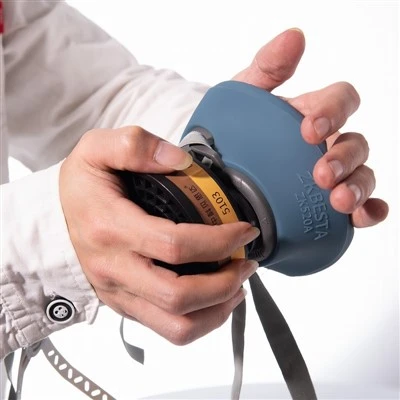
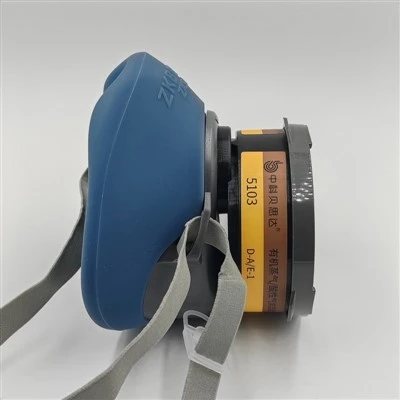
For grinding and sandblasting, which produce large amounts of metal and silica dust, N95 or P100 particulate respirators are essential, as they filter 95% and 99.97% of fine particles respectively. Welding operations release toxic fumes containing lead, chromium, and zinc, requiring half-face or full-face chemical cartridge respirators with particulate filters to block both fumes and dust.
Painting and coating work, which emits paint mist and organic vapors, demands respirators equipped with organic vapor cartridges and pre-filters to prevent solvent inhalation. For confined spaces like ship tanks, supplied-air respirators (SARs) are mandatory, as they provide clean air independently of the contaminated environment.
Recommended Respiratory Protection Products for Key Operations
|
Operation Type
|
Respiratory Protection Product |
Core Function |
|
Grinding & Sandblasting |
N95/P100 Particulate Respirators |
Filter 95%-99.97% of metal and silica dust |
|
Welding |
Half-Face/Full-Face Chemical Cartridge Respirators (with particulate filters) |
Block toxic metal fumes (lead, chromium) and dust |
|
Painting & Coating |
Respirators with Organic Vapor Cartridges + Pre-Filters |
Prevent inhalation of paint mist and organic solvents |
|
Confined Spaces (e.g., Ship Tanks) |
Supplied-Air Respirators (SARs) |
Provide independent clean air in contaminated confined areas |
All these products must comply with OSHA standards (29 CFR 1910.134) and be compatible with other PPE. Reusable respirators are cost-effective for long-term use, while disposable ones suit short-term, low-risk tasks. Regular replacement of filters/cartridges ensures protection effectiveness, a key requirement for industry safety management.