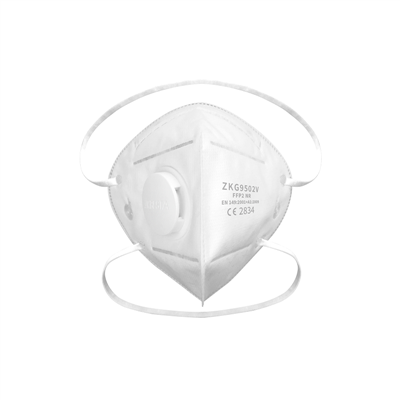
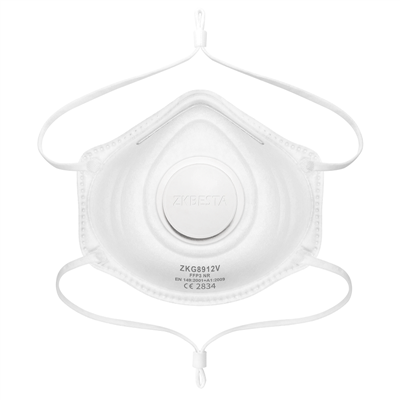
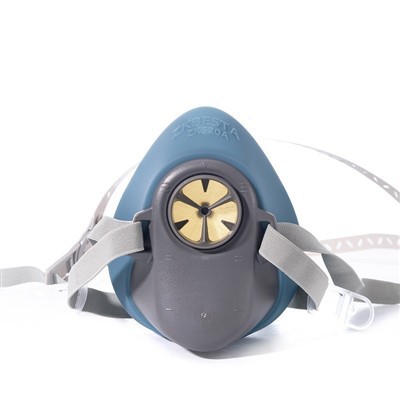
So how should we protect ourselves against heavy metal particle pollutants is very important to our healthy !
I. Industries Prone to Generating Heavy Metal Particle Pollutants
1. Mining and Mineral Processing
Mining of ores such as lead, zinc, copper, nickel, mercury, and arsenic, where the concentration of heavy metals in dust is extremely high.
2. Metal Smelting and Casting
Steelmaking, ironmaking, non-ferrous metal smelting, and alloy casting, which generate flue gas and dust containing heavy metals at high temperatures.
3. Electroplating and Surface Treatment
Chrome plating, nickel plating, zinc plating, pickling, and passivation, which are prone to generating aerosols and dust containing heavy metals.
4. Welding and Cutting Industry
Stainless steel welding, galvanized sheet welding, and alloy welding, where the fumes contain manganese, chromium, nickel, lead, etc.
5. Battery Manufacturing and Recycling
Production and dismantling of lead-acid batteries and lithium batteries, with prominent pollution of lead, cadmium, mercury, and nickel.
6. Printing, Ink, Pigment, and Coating Production
Pigments containing lead, chromium, and cadmium form dust during batching, grinding, and spraying processes.
7. Electronic Manufacturing and Waste Electronic Dismantling
Circuit board processing, soldering, chip manufacturing, and precious metal extraction, which involve lead, mercury, and cadmium.
8. Garbage Incineration and Hazardous Waste Treatment
Incineration fly ash is enriched with various heavy metals such as lead, cadmium, mercury, and arsenic.
9. Ceramic, Glass, and Enamel Production
Glazes contain lead, cadmium, and zinc, and heavy metal dust is generated during firing and polishing.
II. Correct Protection Methods Against Heavy Metal Particles
1. Respiratory Protection (Most Critical)
Prioritize the use of KN95 / KN100, FFP2 / FFP3 grade protective masks.
When dealing with highly toxic heavy metals such as lead, cadmium, arsenic, radioactive heavy metals, or oily fumes:
Choose professional dust masks with oil-proof protection (KP class, FFP class).
High-concentration, enclosed environments: It is recommended to use a full-face mask + toxic gas filter cartridge + filter cotton.
(For heavy metal vapors / fumes, a comprehensive or special toxic gas filter cartridge can be equipped.)
2. Skin and Body Protection
Wear work clothes, protective gloves, and protective shoes to avoid skin contact.
Change clothes, wash hands, and wash face must after work to prevent dust from adhering to the body and being brought into living scenes.
3. Engineering and Management Protection
Install gas collection, dust suction, and purification devices.
Implement wet operation and closed production to reduce heavy metal particles.
Conduct regular environmental monitoring and occupational health check-ups.
👉 Looking for CE certified KN95/KN100 Particulate Filters for industrial use? Explore ZKBESTA's professional respiratory protection solutions or contact us for technical support and samples.