How to Choose the Right Respiratory Protection Against Silica Dust?
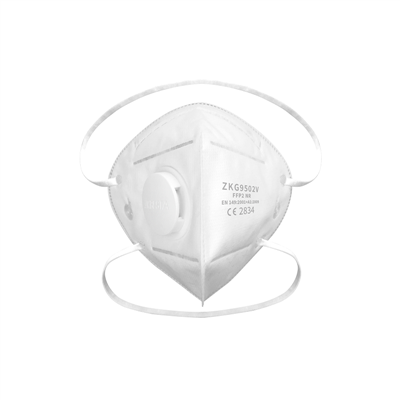
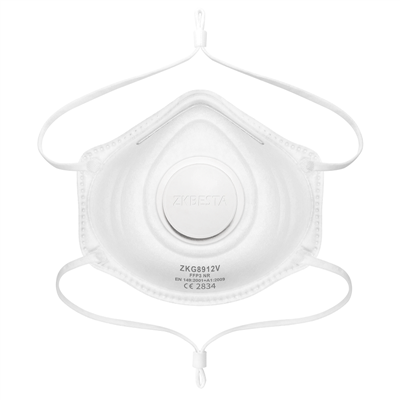
1. Prioritize N95 as Your Baseline Protection
Advantages: N95 filtering facepiece respirators offer effective filtration against crystalline silica particles (capturing at least 95% of airborne particles ≥0.3 microns), are widely available, relatively cost-effective, and suitable for most general construction tasks like cutting, grinding, and drilling concrete or masonry.
Best for: Daily use in low-to-moderate exposure environments with visible dust generation.
Critical Note: Ensure NIOSH-approved authenticity. Perform a user seal check every time you don the respirator. Replace immediately if damaged, soiled, or breathing becomes difficult.
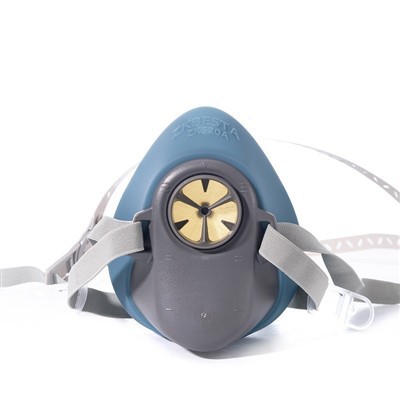
2. Choose Half-Face or Full-Face Elastomeric Respirators for Extended/High-Risk Work
Suitable Scenarios: Prolonged exposure tasks (demolition, sandblasting, tunneling), environments with high silica concentrations, or when combined protection against gases/vapors is needed.
Key Considerations: These reusable respirators provide superior protection with replaceable P100 filters (99.97% filtration efficiency), but require:
Proper fit testing before first use and annually thereafter (OSHA requirement)
Regular cleaning and maintenance of the facepiece
Training on donning, doffing, and seal checks
Employer Action: Ensure workers are medically cleared (per OSHA 29 CFR 1910.134) before assigning tight-fitting respirators. Monitor worker comfort and break schedules to prevent heat stress.
3. Consider Powered Air-Purifying Respirators (PAPRs) for Maximum Comfort and Protection
When to Upgrade: For workers with facial hair (preventing seal), those requiring prescription eyewear integration, or extreme conditions where breathing resistance causes fatigue.
Advantages: PAPRs use a battery-powered blower to force air through filters, reducing breathing effort and providing positive pressure inside the hood/helmet. They offer Assigned Protection Factors (APF) of 25-1000 depending on configuration.
Note: Higher initial investment and maintenance requirements, but significantly improved comfort encourages consistent use-critical for compliance.
Key Action Guide for Employers & Workers
| Priority | Action Item |
|---|---|
| 1. Hazard Assessment | Conduct air monitoring to determine silica exposure levels and select respirators with adequate APF (Assigned Protection Factor) |
| 2. Written Program | Establish a formal respiratory protection program per OSHA standards, including procedures for selection, use, care, and training |
| 3. Medical Clearance | Ensure all tight-fitting respirator users are medically evaluated by a healthcare provider |
| 4. Fit Testing | Perform quantitative or qualitative fit testing for each worker with their specific respirator model/size |
| 5. Training & Compliance | Train workers on silica hazards, proper respirator use, limitations, and maintenance-document everything |
| 6. Engineering Controls First | Remember: respirators are the last line of defense. Prioritize wet methods, local exhaust ventilation, and dust collection systems |
⚠️ Critical Reminder: Silica dust is respirable crystalline silica (RCS)-particles small enough to reach deep lungs, causing silicosis, lung cancer, and COPD. No respiratory protection substitutes for proper engineering controls and work practices. The safest approach is consulting a Certified Industrial Hygienist (CIH) or safety professional to develop your site-specific protection strategy.
For professional guidance on sourcing the optimal respirator for your business, ZKBESTA is your reliable partner for global procurement.