Selection Guidance:Half-Face Respirators vs. Full-Face Respirators
Respiratory protective equipment (RPE) shall be selected based on a documented hazard identification and risk assessment, considering all potential routes of exposure, including inhalation, eye contact, and skin contact.
This guidance outlines typical work scenarios for which half-face and full-face respirators are considered appropriate.
1. APPLICATION SCENARIOS FOR HALF-FACE RESPIRATORS
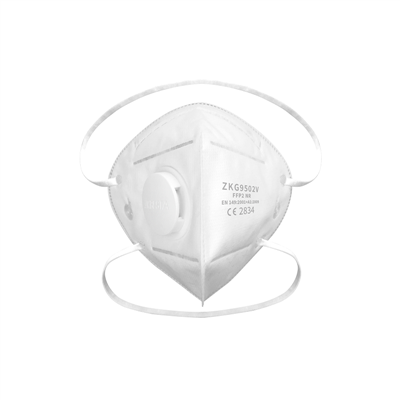
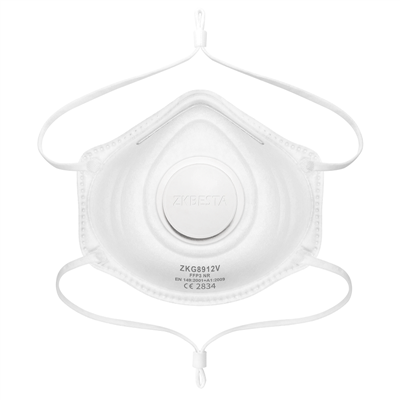
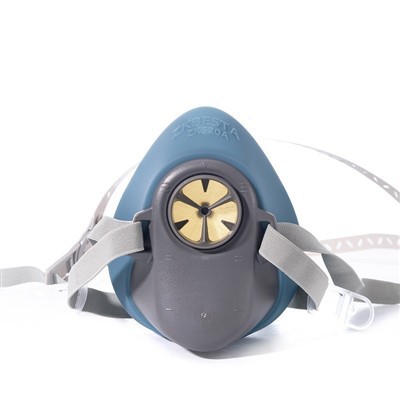
A half-face respirator provides protection to the respiratory tract (nose and mouth) only.
Its use is appropriate only when eye and facial exposure hazards are not present or are adequately controlled by other means.
1.1 Suitable Work Environments
Half-face respirators may be selected in the following scenarios:
a) Particulate Exposure Only
Construction dust
Silica-containing materials (with appropriate P100 / FFP3 filters)
Wood dust
Metal fumes without eye irritation potential
b) Low-Concentration Gases or Vapors
Organic vapors below occupational exposure limits
Processes with effective general or local exhaust ventilation
No evidence of eye irritation or corrosive effects
c) Controlled Industrial Operations
Manufacturing and assembly lines
Maintenance tasks in ventilated environments
Laboratories with enclosed processes or fume extraction systems
d) Tasks Requiring Extended Wear
Long-duration routine operations
Situations where reduced weight improves user compliance
1.2 Mandatory Conditions for Half-Face Use
Half-face respirators shall only be used when all of the following conditions are met:
No identified eye hazard
No corrosive or irritating substances affecting skin or mucous membranes
No splash or spray risk
No unknown or rapidly changing atmospheric conditions
Measured exposure levels remain within applicable limits
If any of these conditions cannot be confirmed, half-face protection is not sufficient.
2. APPLICATION SCENARIOS FOR FULL-FACE RESPIRATORS
A full-face respirator provides combined protection for the respiratory system, eyes, and facial skin through a single sealed system.
Full-face respirators are required when hazards extend beyond inhalation exposure.
2.1 Mandatory Use Scenarios
Full-face respirators shall be selected in the following situations:
a) Eye or Facial Exposure Hazards
Acid gases
Ammonia
Chlorine
Formaldehyde
Chemical vapors known to irritate or damage eyes
b) Chemical Splash or Spray Risk
Chemical preparation or mixing
Cleaning operations using corrosive substances
Liquid transfer processes
c) Confined or Poorly Ventilated Spaces
Tanks, vessels, pits, or enclosed structures
Areas with limited or uncertain air exchange
d) Emergency Response and Hazmat Operations
Chemical spills or leaks
Unknown or unidentified contaminants
e) IDLH Environments
(Immediately Dangerous to Life or Health)
In IDLH conditions, full-face respirators or supplied-air respiratory systems are mandatory in accordance with applicable regulations.
3. SELECTION PRINCIPLE
When a risk assessment identifies combined respiratory and eye exposure,
a full-face respirator is required.
Half-face respirators protect the airway only.
Full-face respirators provide integrated facial protection and reduce the risk of secondary exposure routes.
4. COMPLIANCE AND MANAGEMENT CONSIDERATIONS
From a safety management perspective:
Half-face respirators may be acceptable where hazards are limited and well controlled
Full-face respirators reduce reliance on multiple PPE components (mask + goggles)
Integrated protection improves sealing consistency and simplifies PPE compliance programs
Selection shall always be aligned with:
Applicable national regulations
Industry standards
Site-specific risk assessments
Looking for professinal reusable gas respirator guidance , pls follow ZKBESTA .