Disposable Face Mask Wearing Guide: Managing Weight and Breathing Resistance Fatigue During 8–12 Hour Shifts
I. Understanding the Challenge
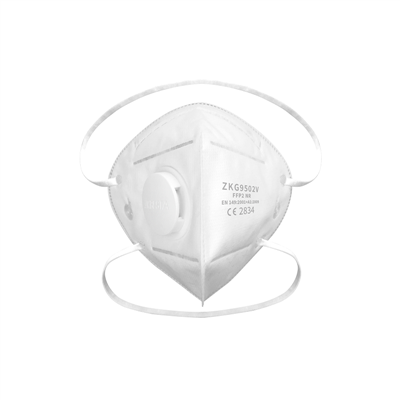
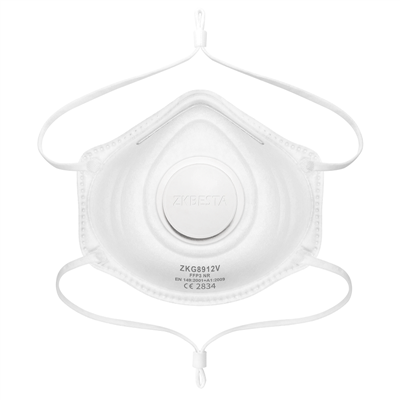
Disposable face masks, including N95, FFP2, KN95, and surgical-style respirators, are the most commonly deployed respiratory protection in industrial and healthcare settings. While lightweight individually, their cumulative physiological burden over extended shifts is frequently underestimated.
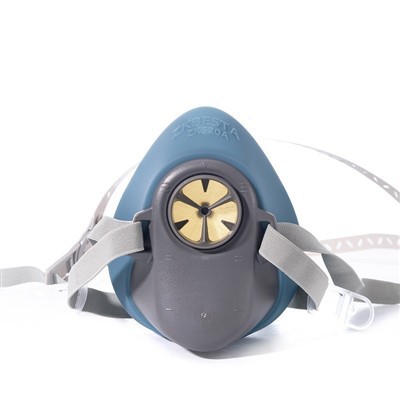
Unlike elastomeric or powered systems, disposable masks place 100% of the breathing work burden on the wearer. The filter media, headbands, and nosepiece design all contribute to fatigue mechanisms that intensify across 8–12 hour wear periods. Understanding these mechanisms is the foundation of proper wearing technique and shift-long compliance.
II. Key Fatigue Factors Specific to Disposable Masks
A. Breathing Resistance and Filter Loading
Initial Resistance: A new N95 or FFP2 mask presents an initial inhalation resistance of approximately 7–12 mmH₂O at 85 liters per minute flow rate. This is manageable during short-term wear.
Progressive Loading: As the shift progresses, particulate matter accumulates in the filter media. The pressure drop across the mask can increase by 50–150% depending on ambient dust concentration. By hour 6–8, the wearer may be breathing against resistance equivalent to 15–25 mmH₂O.
Physiological Impact: This progressive loading forces the diaphragm to work harder with each breath. Respiratory muscle oxygen consumption increases, effectively reducing the oxygen available for physical work tasks. Workers unconsciously shift to shallower, more rapid breathing patterns, which are mechanically inefficient and increase the sensation of breathlessness.
Exhalation Resistance: The dense meltblown polypropylene layers that provide filtration also impede exhalation. This can lead to a subtle increase in functional residual volume over the shift, contributing to a sensation of "not getting enough air out" and mild hypercapnia symptoms (headache, drowsiness) in sensitive individuals.
B. Headband Tension and Contact Pressure
Elastic Strap Mechanics: Disposable masks rely on elastic headbands or ear loops to maintain the seal. To achieve the negative-pressure seal required by NIOSH and EN 149, these straps must generate sufficient normal force against the face.
Pressure Distribution: Unlike elastomeric masks with engineered sealing surfaces, disposable masks distribute pressure through the entire contact perimeter. High-stress zones typically form at:
The nasal bridge, where the nose clip concentrates force
The cheeks, where the filter body presses against the zygomatic arches
The chin, where the lower edge must maintain contact during jaw movement
Cumulative Effect: Over 8–12 hours, even moderate pressure (15–25 mmHg) exceeds capillary perfusion pressure at these points, leading to tissue ischemia, pressure indentations, and in severe cases, skin breakdown.
C. Moisture and Thermal Burden
Dead Space Heat Trapping: The volume between the mask and the face (approximately 100–200 mL for a typical N95) traps exhaled air at 37°C and 100% relative humidity. In warm environments or during physical work, this creates a sauna-like microclimate.
Skin Maceration: Continuous moisture exposure softens the stratum corneum, reducing its mechanical resistance to pressure and friction. This accelerates the development of pressure injuries and increases the risk of dermatitis.
Filter Degradation: Moisture from exhaled breath can degrade the electrostatic charge on meltblown fibers, potentially reducing filtration efficiency over time. A saturated mask may also increase breathing resistance further.
D. Ear Loop vs. Headband Designs
Ear Loop Masks: Common in surgical and general-use disposable masks. The elastic loops place continuous traction on the pinnae and temporal skin. Over extended wear, this causes:
Posterior auricular pain and pressure
Forward displacement of the ear, altering the mask angle and compromising seal
Increased likelihood of subconscious adjustment or removal
Headband (Over-the-Head) Masks: Preferred for extended industrial wear. The straps distribute force across the occiput and crown, reducing facial pressure points. However, improper tension or strap positioning can still cause occipital headaches and neck muscle fatigue.
III. Proper Donning Technique for Extended Wear
A. Pre-Donning Preparation
Hand Hygiene: Clean hands thoroughly before touching the mask. Oils and contaminants transferred during donning can degrade filter media and reduce seal integrity.
Facial Hair Management: Ensure the sealing area is free of facial hair. Even 1–2 days of stubble can prevent a proper seal. If shaving is not possible, a disposable mask is not appropriate protection; switch to a loose-fitting PAPR or hood system.
Skin Preparation: Apply a thin layer of oil-free moisturizer to the sealing zone 15 minutes before donning. This reduces friction without compromising seal. Avoid petroleum-based products, which can degrade elastic straps and polypropylene fibers.
B. Step-by-Step Donning Procedure
Step 1: Orientation and Inspection Hold the mask by the edges. Verify the nose clip is intact and positioned at the top. Inspect for visible damage, holes, or contamination. Do not use if the mask is compromised.
Step 2: Positioning the Mask Place the mask over your nose and mouth. For cup-style respirators, ensure the convex side faces outward. For flat-fold designs, open the pleats fully to maximize breathing surface area and reduce resistance.
Step 3: Securing the Lower Strap First (Headband Models) If using a two-strap design, secure the lower strap first. Position it at the base of the occiput, not at the nape of the neck. This anchors the mask against jaw movement and talking.
Step 4: Securing the Upper Strap Place the upper strap across the crown of the head, above the ears. It should sit at the widest part of the skull. Do not cross the straps; this alters tension vectors and creates gap zones at the temples.
Step 5: Nose Clip Molding Using both index fingers, mold the nose clip firmly to the bridge of your nose. Start at the center and work outward along the nasal contours. The goal is a continuous contact line without sharp bends that create pressure points.
Step 6: Seal Check - Negative Pressure Place both hands over the mask, covering as much surface area as possible. Inhale sharply. The mask should collapse inward slightly against your face. If air leaks around the edges, reposition the straps or remold the nose clip.
Step 7: Seal Check - Positive Pressure (if applicable) Cover the mask and exhale gently. You should feel minimal air escape from the edges. Some leakage around the nose clip area may indicate improper molding.
C. Ear Loop Adjustment for Extended Wear
If only ear loop masks are available:
Tension Modification: Use a strap extender or "ear saver" clip that connects the two ear loops behind the head. This converts ear loops to an over-the-head configuration, relieving pressure on the pinnae and improving seal consistency.
Loop Padding: Wrap soft, breathable fabric (such as moleskin or silicone sleeve covers) around the ear loop contact points to distribute pressure over a larger surface area.
IV. Shift-Long Management Strategies
A. Scheduled Rotation and Replacement
Maximum Wear Duration: For standard industrial particulate exposure, plan to replace disposable masks every 4–8 hours of continuous wear. In high-dust environments, replacement may be needed every 2–4 hours.
Rotation Protocol: If replacement is not possible mid-shift, implement a "mask rotation" system where workers have two masks and alternate them every 2 hours, allowing each mask to dry and recover electrostatic charge during the off period.
Break-Time Handling: When removing the mask for breaks or meals:
Remove by the straps only, touching only the elastic or headband material
Place the mask on a clean, breathable surface with the interior facing up, or store in a labeled paper bag
Do not crumple the mask or place it in a pocket, which deforms the shape and compromises seal
Re-don with a fresh seal check after the break
B. Managing Moisture and Heat
Mid-Shift Drying: If the mask becomes visibly moist from exhaled breath, replace it. A wet mask increases breathing resistance and may support microbial growth.
Cooling Strategies: In hot environments, use personal cooling measures (cooling vests, fans, scheduled rest in cooled areas) to reduce overall thermal load. Lower core temperature reduces respiratory rate and perceived breathing effort.
Hydration: Maintain adequate hydration. Dehydration thickens respiratory secretions and increases the sensation of airway resistance, compounding the subjective burden of mask breathing.
C. Skin Integrity Protection
Barrier Application: Reapply oil-free barrier cream to high-risk zones (nasal bridge, cheekbones) during mid-shift breaks if the mask is removed.
Pressure Offloading: During authorized breaks in non-contaminated areas, remove the mask for 10–15 minutes to restore blood flow to facial tissues. Perform gentle facial massage to promote circulation.
Early Intervention: At the first sign of skin redness, blistering, or persistent indentation marks, report to occupational health. Do not attempt to pad the sealing zone with thick dressings, as this breaks the seal. Instead, request a fit evaluation for an alternative size or switch to a PAPR system.
D. Breathing Technique Optimization
Diaphragmatic Breathing: Consciously engage the diaphragm rather than using accessory neck and shoulder muscles. Place one hand on the abdomen; it should rise with inhalation while the shoulders remain level. This reduces respiratory muscle fatigue and perceived effort.
Paced Breathing: For moderate exertion, maintain a breathing rate of 12–16 breaths per minute. Avoid hyperventilation (rapid, shallow breathing), which is inefficient and increases the sensation of dyspnea.
Exhalation Focus: Extend the exhalation phase slightly longer than inhalation (for example, inhale for 3 counts, exhale for 4–5 counts). This promotes complete CO₂ clearance and reduces the "air trapping" sensation.
V. Recognizing When to Escalate Protection
Disposable masks have inherent limitations for extended shifts. Be alert to these escalation triggers:
Persistent Seal Failure: If repeated seal checks fail despite proper technique, the mask size or model is incompatible with your facial geometry. Request a different size or a fit test with alternative N95/FFP2 models.
Intolerable Breathing Resistance: If breathing feels labored even at rest, the filter may be overloaded or your work rate may exceed the capacity of a disposable mask. This is an indication for a PAPR (EN 12941/12942) or at minimum a fresh mask replacement.
Skin Breakdown: Any open wound, weeping dermatitis, or necrotic pressure sore in the sealing zone makes disposable mask wear unsafe and non-compliant. Switch to a loose-fitting hood system (EN 12941) that does not contact the affected area.
Cognitive Symptoms: Headache, confusion, or excessive drowsiness during mask wear may indicate CO₂ retention or hypoxemia from excessive breathing resistance. Remove to fresh air immediately and report symptoms. Do not continue with the same protection level.
VI. End-of-Shift Doffing and Disposal
Doffing Sequence:
Perform hand hygiene
Remove by the straps only; do not touch the filter surface, which may be contaminated
For headband models, lift the bottom strap over the head first, then the top strap
For ear loop models, remove both loops simultaneously by lifting away from the ears
Discard immediately in a closed waste container
Post-Wear Skin Care: Wash the face gently with mild cleanser to remove sweat, oils, and any barrier cream residue. Inspect the sealing zone for early pressure injury signs. Apply a light, non-comedogenic moisturizer to support skin recovery overnight.
If you'd like to learn more about disposable mask usage instructions, please follow up with ZKBESTA.