How should respirator cartridges be stored and rotated to ensure they remain effective without causing odor or moisture discomfort?
I. Storage Requirements
1. Environmental Control
Store respirator cartridges in a cool environment between 15°C and 25°C (59°F–77°F). Avoid exposure to temperatures exceeding 40°C (104°F), as excessive heat can degrade the adsorbent media and compromise filtration performance. Conversely, extremely low temperatures may cause sealing materials to become brittle and crack.
Maintain relative humidity below 60%. High humidity causes activated carbon to prematurely adsorb moisture, significantly reducing its capacity to capture organic vapors, acid gases, and other contaminants.
Keep cartridges away from direct sunlight and strong ultraviolet radiation, both of which accelerate the aging and degradation of filter materials.
2. Sealing and Packaging
Whenever possible, keep unused cartridges in their original factory-sealed packaging until immediately before use. Once a package has been opened but the cartridge remains unused, place it inside an airtight container-such as a resealable bag with desiccant or a dedicated storage case-to prevent ingress of ambient contaminants and moisture.
Store cartridges at least 3 meters (10 feet) away from chemicals, solvents, cleaning agents, and other volatile substances. Cartridges can passively adsorb harmful vapors during storage, leading to premature saturation before they are even worn.
II. Rotation and Lifecycle Management
1. First-In, First-Out (FIFO) Principle
Maintain an inventory log and use cartridges in chronological order based on their manufacturing or receiving date. This ensures older stock is consumed before newer stock, minimizing waste from expired units.
Implement a visual management system on storage shelves using color-coded labels or designated zones. For example: green tags for newly received stock, yellow for items that should be used next, and red for cartridges approaching their expiration date.
2. Shelf Life and Expiration
Unopened cartridges typically carry a manufacturer-designated shelf life of 3 to 5 years, depending on the type:
Organic Vapor (OV) cartridges: 3–5 years unopened; use within 6 months once opened, or follow a replacement schedule after first use.
Acid Gas (AG) cartridges: 3–5 years unopened; same post-opening guidance as above.
Multi-gas combination cartridges: 3–5 years unopened; same post-opening guidance.
P100 / HEPA particulate filters: up to 5 years unopened; replace based on job-specific loading rather than a fixed calendar schedule.
Critical Warning: Even if never removed from packaging, cartridges must be discarded once they exceed the manufacturer's printed expiration date. Activated carbon naturally loses adsorption activity over time.
3. Usage Tracking and Documentation
- Assign a usage log card to each cartridge or batch, recording:
- Date of first use
- Work environment and contaminant type/concentration
- Cumulative hours of use
- User feedback regarding odor breakthrough or breathing resistance
- Replace the cartridge immediately upon detection of odor breakthrough or a significant increase in breathing resistance, regardless of whether the theoretical service life has been reached.
III. Preventing Odor and Moisture Discomfort
1. Odor Control
Perform a negative-pressure or positive-pressure seal check before every use. While the respirator is sealed to your face, inhale or exhale gently and check for leaks. Simultaneously, smell inside the facepiece; any detection of odors indicates breakthrough and mandates immediate cartridge replacement.
Avoid cross-contamination by assigning dedicated cartridges to specific work environments. For example, do not interchange cartridges used in a paint spray booth with those used in a welding area.
Never attempt to "regenerate" cartridges by sun-drying, oven-heating, or any other method. Heat damages the filter matrix and can release previously adsorbed toxic substances back into the airstream.
2. Moisture Management
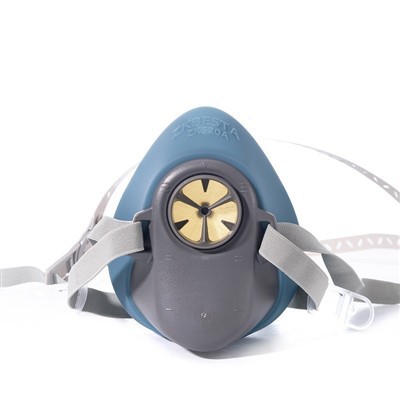
Ensure the exhalation valve on the respirator facepiece is intact and functioning properly. A damaged valve allows exhaled moisture to flow backward into the cartridge, which causes three problems:
Reduced activated carbon adsorption efficiency
Microbial growth leading to musty odors and mold
Increased breathing resistance and wearer discomfort
Place silica gel desiccant inside storage containers. Use indicating silica gel (color-changing from blue to pink, or orange to green) so saturation status is visible at a glance. Regenerate or replace desiccant on a regular schedule.
During extended wear, schedule intermittent doffing breaks when conditions permit, allowing cartridges to rest in a dry environment. This can slow moisture accumulation but does not replace the need for scheduled cartridge replacement.
3. Optimizing Wearer Comfort
Monitor breathing resistance closely. As cartridges become saturated with vapors or particulate filters become loaded with dust, inhalation effort increases substantially. This leads to discomfort, reduced compliance, and a temptation to loosen straps or remove the respirator. Establish a breathing-resistance threshold as a replacement trigger-for instance, when the wearer clearly feels that inhaling has become laborious.
For individuals particularly sensitive to moisture buildup, prioritize cartridges with built-in moisture barriers or consider upgrading to a Powered Air-Purifying Respirator (PAPR). PAPR systems deliver filtered air under positive pressure, virtually eliminating breathing resistance and moisture-related discomfort.
IV. Disposal and Waste Handling
Treat respirator cartridges as single-use consumables. Do not wash, disassemble, or attempt to reuse them.
Discard spent cartridges as hazardous waste, especially if they have been exposed to toxic chemicals. Collect them in designated containers and transfer them to a licensed disposal facility. Never discard contaminated cartridges in general trash where they could release adsorbed toxins into the environment.
Maintain a 30-day operational reserve of cartridges in inventory. Conduct monthly inventory audits to confirm that all reserve stock remains within its valid service life.
V. Quick Inspection Checklist
Daily: Verify storage area temperature and humidity remain within acceptable ranges (15–25°C, <60% RH).
Per Batch Upon Receipt: Inspect sealed packaging for punctures, tears, or swelling.
Monthly: Review expiration dates and manufacturing dates during inventory counts; remove any expired items.
Weekly: Check desiccant condition. Indicating silica gel should show active color (blue or orange); replace or regenerate if saturated.
After Every Use: Complete the usage log with date, environment, duration, and any wearer observations.