Confined space operations rank among the high-risk activities in the industrial sector!
Enclosed or semi-enclosed spaces such as storage tanks, silos, foundation pits, sewers, and manholes are prone to the accumulation of toxic and harmful gases, oxygen deficiency, or explosive gas atmospheres .
A single improper breath can lead to life-threatening consequences .
Mastering gas concentration PPM (Parts Per Million) limits, oxygen content standards, and key points of harmful gas protection is the core prerequisite for ensuring safe entry and operation in confined spaces.
Why Gas Concentration Limits Are Critical
PPM is a key indicator for measuring gas concentration, referring to the volume of a specific gas contained in every one million volumes of air. Even minor deviations of gas concentration beyond or below the safe limits can trigger respiratory distress, poisoning, and coma in operators, and even cause explosion accidents . Continuous monitoring of gas concentrations in confined spaces and strict compliance with safety limits are essential measures to protect lives.
Safe Concentration Limit Standards
| Gas Type | Safe Limit | Protection Notes |
|---|---|---|
| Oxygen (O₂) | 19.5% - 23.5% | A core indicator for maintaining normal human respiration; both excessively high and low concentrations pose safety risks |
| Hydrogen Sulfide (H₂S) | ≤ 10 ppm | A highly toxic gas; exceeding the limit can damage the respiratory and nervous systems, requiring respirators of the corresponding protection level |
| Carbon Monoxide (CO) | ≤ 25–35 ppm | A colorless, odorless, highly toxic gas that easily causes poisoning; respiratory protective equipment against toxic gases must be worn |
| Ammonia (NH₃) | ≤ 25 ppm | An irritating gas; respiratory and eye protection is required for short-term exposure |
| Carbon Dioxide (CO₂) | ≤ 5,000 ppm | Excessive concentrations can cause hypoxia and dizziness; adequate space ventilation and respiratory protection must be ensured |
| Methane (CH₄) | < 10% Lower Explosive Limit (LEL) | A flammable and explosive gas; concentrations close to the LEL can trigger explosions and must be strictly controlled |
Hazardous Concentration Warnings
| Gas Type | Hazardous Concentration Threshold | Hazardous Consequences |
|---|---|---|
| Oxygen (O₂) | < 19.5% | Risk of oxygen-deficient suffocation, which can lead to death in severe cases |
| Hydrogen Sulfide (H₂S) | > 10 ppm | Toxicity increases significantly; high concentrations can cause rapid death, posing an extremely high risk level |
| Carbon Monoxide (CO) | > 50 ppm | The risk of poisoning rises sharply, causing headaches, vomiting, coma, and damage to cardiopulmonary functions |
| Ammonia (NH₃) | > 25 ppm | Strongly irritates the ocular mucosa and respiratory tract, causing burns and edema, and triggering breathing difficulties |
| Carbon Dioxide (CO₂) | > 5,000 ppm | Causes dizziness, fatigue, and confusion; continuously rising concentrations can lead to suffocation and coma |
| Methane (CH₄) | ≥ Lower Explosive Limit (LEL) | Highly prone to explosion when exposed to open flames or static electricity, resulting in heavy casualties and property losses |
🛡️ Respiratory Protection and Operational Safety Measures for Confined Spaces
✔ Mandatory Gas Detection Before Entry
Before entry, professional gas detectors must be used to conduct comprehensive testing of oxygen concentration, toxic and harmful gases, and flammable gas concentrations in the space. Entry is strictly prohibited if standards are not met.
✔ Continuous Monitoring Throughout the Operation
Equip with portable gas monitoring devices to transmit data in real time. An immediate alarm will be triggered once concentrations exceed the limit, and operators must evacuate immediately.
✔ Enhance Mechanical Ventilation and Air Exchange
Implement forced ventilation measures to replace harmful gases in the space, reduce gas concentrations to a safe range, and minimize risks at the source.
✔ Strictly Implement the Work Permit System
Follow the confined space work permit approval process, clarify protection requirements, operation duration, and emergency plans. No operation shall be carried out without a valid permit.
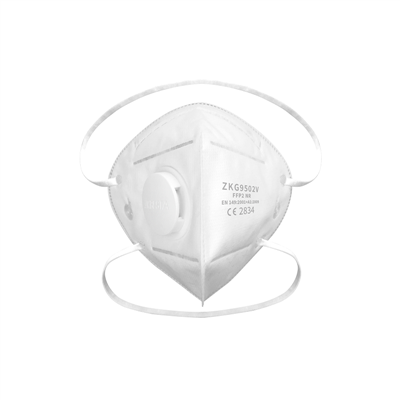
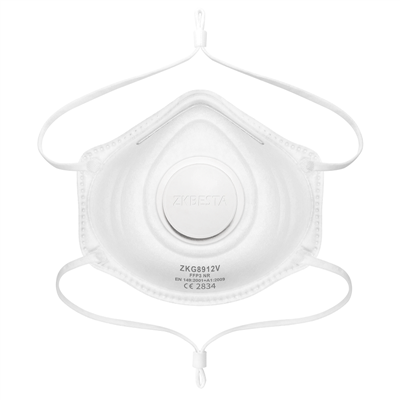
✔ Equip with Compliant Respiratory Protection Equipment
Select respiratory protective equipment that meets standards based on gas types and concentrations:
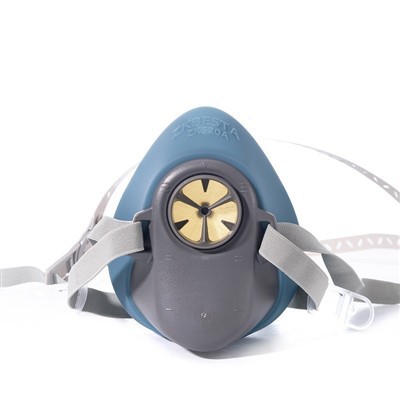
1)Low-concentration toxic gas environments:
Use reusable face respirators with gas-specific cartridges.
2)Oxygen-deficient or high-concentration toxic gas environments:
Self-Contained Breathing Apparatus (SCBA) must be used to ensure sufficient air supply.
3)Coexisting dust and toxic gas environments:
Use combined respiratory protective equipment to provide both particulate and gas protection.
✔ Professional Personnel Supervision and Emergency Preparedness
Operators must pass special training and assessment. Full-time guardians shall be stationed outside the confined space, equipped with emergency rescue equipment and first-aid personnel to ensure rapid response to emergencies.
💡 Core Safety Warning
Safety is not an option, but a bottom line for survival . Every gas test, every concentration data point, and every protective measure is crucial to life safety . A single minor oversight can lead to irreversible tragedies . Only by strictly abiding by operating procedures, maintaining high vigilance, and respecting risk limits can we truly protect lives.
Confined space accidents cause a large number of casualties worldwide every year . Proactive risk assessment, accurate gas detection, enhanced ventilation measures, standardized wearing of respiratory protection equipment, and improved professional capabilities of personnel are the keys to reducing accident risks. When enterprises implement these safety measures, they can not only build a strong safety defense line , but also cultivate a sound safety culture and effectively protect the lives and health of operators.
Visual and Safety Design Recommendations
1.Use green 🟢to mark safe concentration ranges and red 🔴 to indicate hazardous thresholds for intuitive risk level differentiation.
2.Add icons such as gas detection , monitoring equipment , hazard warnings , and confined space signs to improve content recognition.
3.Use bold headings, bullet points, and warning emojis to enhance the readability and dissemination of the copy.
4.Let us jointly practice a zero-accident safety culture . Safety is the consistent application of knowledge in action. Professional training for every
operator, rigorous gas testing every time, and standardized implementation of every protective process can save a life .
Looking for professional respirator maunufacturer in China , we ZKBESTA are always feel free to support you .