How to Choose the Right Mask for Asthma Patients?
1. Prioritize Surgical Masks
Advantages: They offer good filtration against larger particles like droplets and pollen, have relatively good breathability, and lower breathing resistance. They are a safe choice for daily commutes and entering crowded public spaces.
Note: Ensure they are from legitimate sources and change them daily.
2. Choose High-Filtration Masks with Caution N95 or KN95
Suitable Scenarios, for short-term use only in clearly identified high-risk environments. their high filtration efficiency comes with higher breathing resistance, which may increase the breathing burden for asthma patients.
Consult a doctor before use and monitor your own feelings closely.
Remove the mask immediately if you experience discomfort such as shortness of breath or dizziness.
3. Consider Specialized Asthma-Friendly Masks
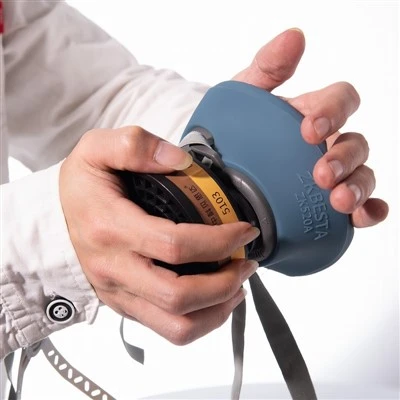
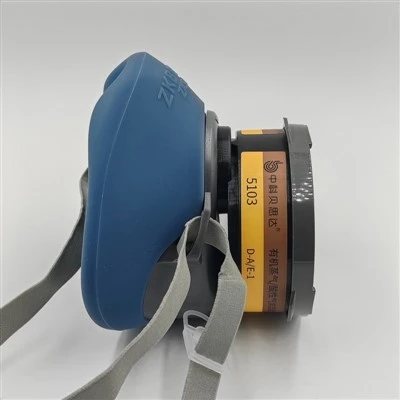
Some brands design masks with exhalation valves or use low-resistance filter materials. An exhalation valve can reduce the buildup of hot, humid air during exhalation, improving comfort. Note that it does not provide outward protection and is more suitable when personal protection is the primary goal.
Key Action Guide:
1.Before using any new mask model for the first time, do a short trial wear in a safe environment to confirm no discomfort.
2.Ensure a Good Fit: Choose a model that fits snugly against your face to prevent unfiltered air from entering through gaps.
3.Keep Medication on Hand: Always carry your fast-acting asthma relief medication with you when wearing a mask.
4.Consult Your Doctor: The safest approach is to seek professional advice from a pulmonologist, considering your level of asthma control and common environments.