


Hey there! As a supplier of half face visors, I often get asked about the visibility through these nifty pieces of gear. So, I thought I'd sit down and write a bit about it.
First off, let's talk about what a half face visor actually is. It's a protective shield that covers the lower half of your face, offering protection from various hazards like flying debris, splashes, and even some UV rays. But how good is the visibility through it? Well, it depends on a few factors.
The Material Matters
The material of the visor plays a huge role in determining visibility. Most half face visors are made from either polycarbonate or acrylic. Polycarbonate is a popular choice because it's super tough and impact-resistant. It also has excellent optical clarity, which means you can see through it pretty clearly. Acrylic, on the other hand, is a bit more brittle but can still offer good visibility. It's also lighter than polycarbonate, which can be a plus if you're going to be wearing the visor for long periods.
When we're talking about visibility, we're not just talking about how clear the visor looks. We're also talking about how it handles things like glare and distortion. Polycarbonate visors are great at reducing glare because they can be treated with anti-reflective coatings. These coatings help to minimize the amount of light that bounces off the surface of the visor, making it easier to see in bright conditions.
Design and Fit
Another important factor is the design and fit of the visor. A well-designed half face visor will have a shape that follows the contours of your face, providing a wide field of view. It should also fit snugly but not too tightly, so it doesn't restrict your movement or cause discomfort.
Some visors have a curved design, which can help to reduce distortion and provide a more natural field of vision. Others have a flat design, which might be more suitable for certain applications where a wider, more panoramic view is needed.
The way the visor attaches to your head also matters. A visor that's attached securely to a helmet or headband will stay in place better, ensuring that your field of view remains consistent. You don't want a visor that's constantly shifting around or falling off, as that can be a real distraction and affect your visibility.
Applications and Visibility
The visibility requirements can vary depending on the application. For example, if you're using a half face visor in a construction setting, you'll need good visibility to be able to see potential hazards like tools, equipment, and other workers. In this case, a visor with high optical clarity and a wide field of view is essential.
On the other hand, if you're using a half face visor in a laboratory setting, you might be more concerned about protection from chemical splashes. While visibility is still important, you might be willing to sacrifice a little bit of clarity for better protection.
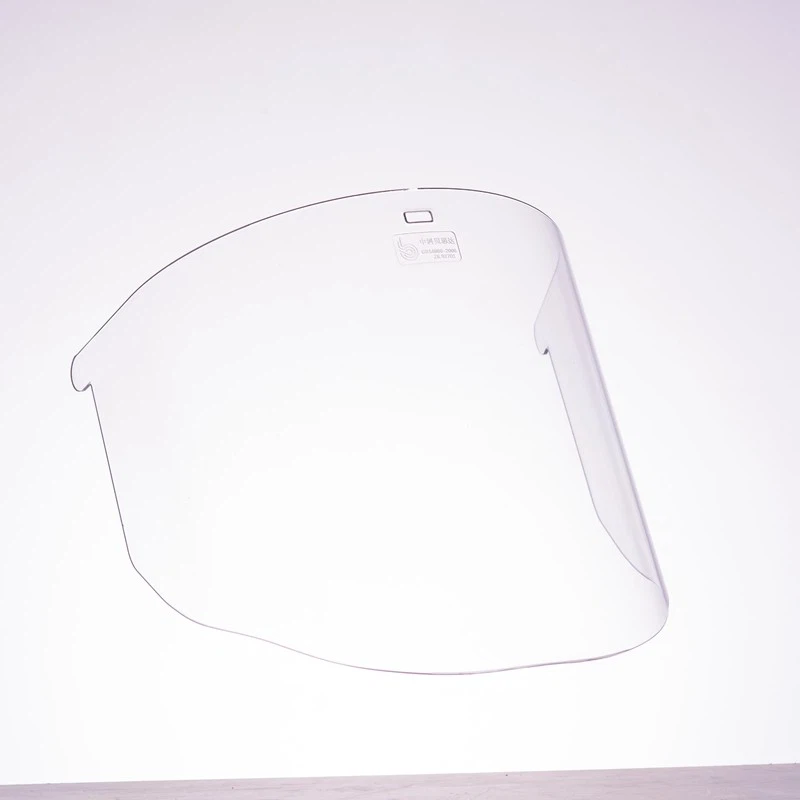
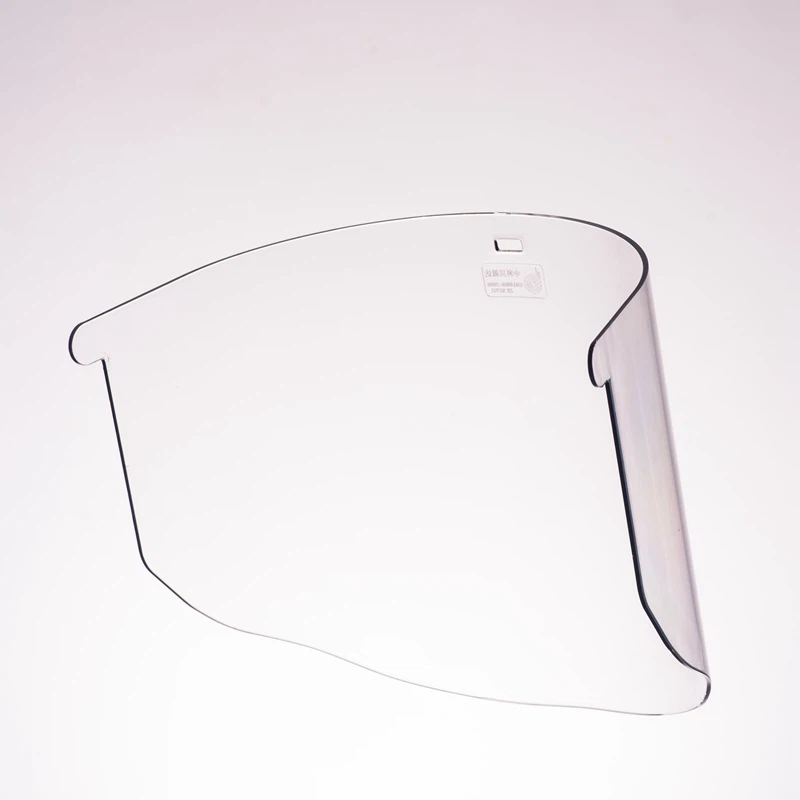
Let's take a look at some of the products we offer as a half face visor supplier. We have the Face Shield Clear Visor, which is made from high-quality polycarbonate. It offers excellent optical clarity and is treated with an anti-reflective coating to reduce glare. This visor is great for a variety of applications, including construction, manufacturing, and even some sports.
Our Safety Helmet with Retractable Visor is another popular option. The retractable feature allows you to easily move the visor up and down as needed, giving you the flexibility to adjust your visibility depending on the situation. It's a great choice for workers who need to switch between tasks that require different levels of protection.
And then there's the Impact Helmet Visor. This visor is designed specifically for high-impact situations, providing maximum protection without sacrificing visibility. It's made from a tough polycarbonate material and has a curved design to reduce distortion.
Maintenance and Cleaning
Proper maintenance and cleaning of your half face visor are also crucial for maintaining good visibility. Over time, the visor can get dirty, scratched, or fogged up, all of which can affect your ability to see clearly.
To clean your visor, use a mild soap and water solution. Avoid using harsh chemicals or abrasive cleaners, as these can damage the surface of the visor and reduce its clarity. Gently wipe the visor with a soft cloth or sponge, and then rinse it thoroughly with clean water.
If your visor gets fogged up, you can use an anti-fog spray or wipe. These products work by creating a thin, hydrophilic layer on the surface of the visor, which helps to prevent water droplets from forming and causing fogging.
Conclusion
In conclusion, the visibility through a half face visor can be quite good if you choose the right product and take proper care of it. The material, design, fit, and application all play important roles in determining how well you can see through the visor.
As a half face visor supplier, we're committed to providing high-quality products that offer excellent visibility and protection. Whether you're in construction, manufacturing, laboratory work, or any other industry that requires face protection, we have a visor that's right for you.
If you're interested in learning more about our half face visors or have any questions about visibility or other features, don't hesitate to reach out. We're here to help you find the best solution for your needs. Let's start a conversation about your procurement requirements and see how we can work together to keep you safe and seeing clearly.
References
- General knowledge about safety equipment and materials in the industry.
- Product specifications and research on half face visors.


