


Can I test the effectiveness of a half mask respirator at home?
As a supplier of half mask respirators, I often receive inquiries from customers about whether they can test the effectiveness of these respirators at home. This is a valid concern, especially considering the importance of personal respiratory protection in various environments. In this blog post, I will explore the possibilities and limitations of home testing for half mask respirators.
Understanding the Basics of Half Mask Respirators
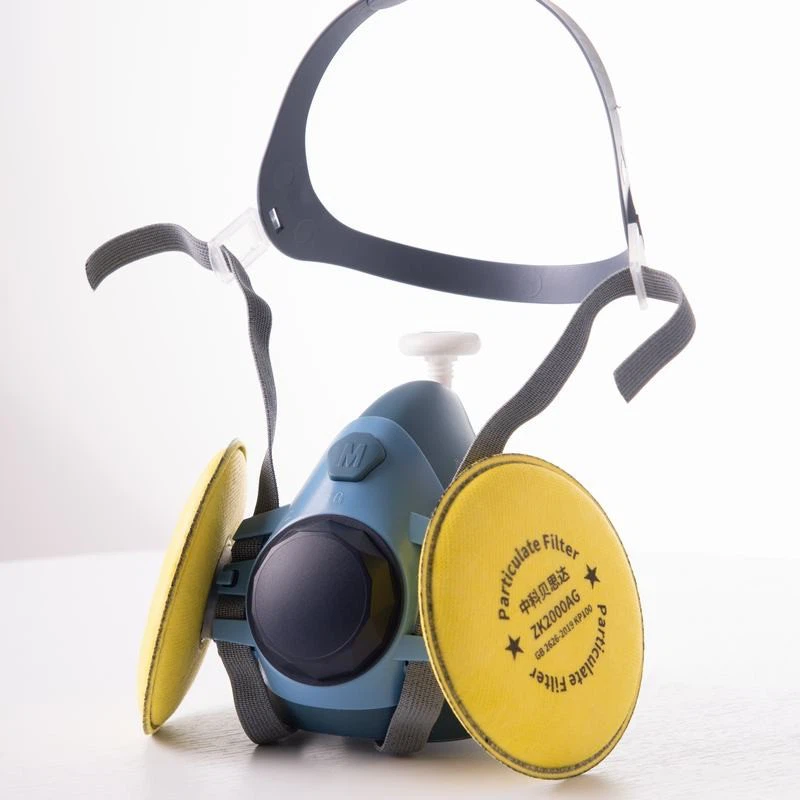
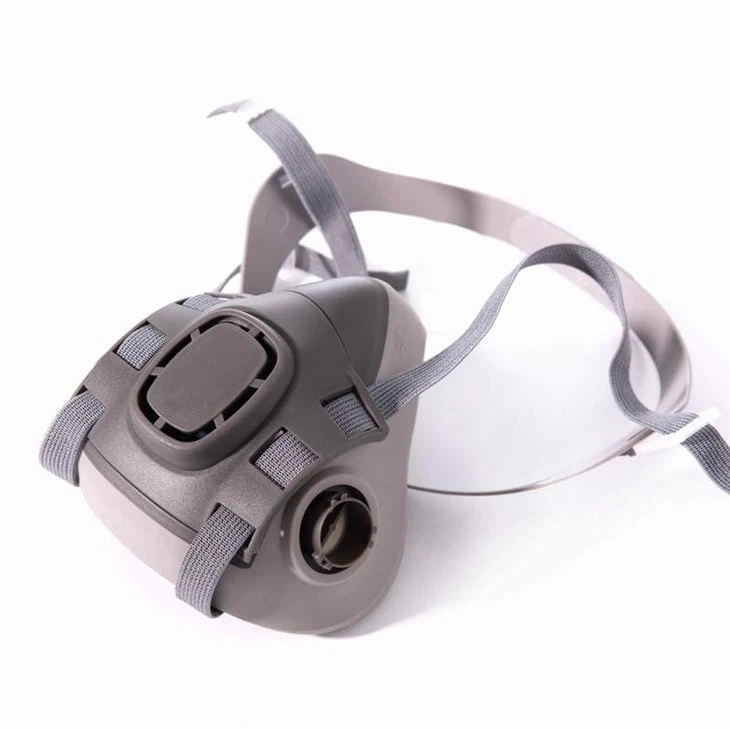
Before delving into home testing, it's essential to understand what a half mask respirator is and how it works. Half mask respirators are designed to cover the nose and mouth, providing protection against various airborne contaminants such as dust, fumes, and particles. They typically consist of a facepiece made of materials like silicone or rubber, along with filters or cartridges that remove harmful substances from the air.
There are different types of half mask respirators available, each designed for specific applications. For example, the Silicone Half Mask 8500 is known for its comfort and durability, making it suitable for long - term use in industrial settings. The Organic Fume Respirator is specifically designed to filter out organic vapors and fumes, while the Half Mask Air Purifying Respirator can protect against a wide range of airborne particles and gases.
The Importance of Effectiveness Testing
The effectiveness of a half mask respirator is crucial for ensuring the wearer's safety. A poorly performing respirator may not provide adequate protection, leaving the wearer exposed to harmful substances. Therefore, testing the effectiveness of a respirator is an important step in the process of using it correctly.
In a professional setting, respirator testing is typically conducted using specialized equipment and following strict protocols. These tests can measure factors such as the respirator's filtration efficiency, leakage rate, and overall performance. However, these professional testing methods are often not accessible to the general public or for home use.
Home Testing Methods
While professional testing is the most accurate way to assess the effectiveness of a half mask respirator, there are some home - based methods that can provide a basic indication of its performance.
The Negative Pressure Test
The negative pressure test is one of the simplest home - based methods for testing a respirator. To perform this test, follow these steps:
- Put on the respirator and ensure that it is properly adjusted and sealed around the face.
- Cover the exhalation valve with your hand.
- Inhale gently. If the respirator collapses slightly around your face and no air leaks in, it indicates a good seal. However, if you feel air leaking in around the edges of the respirator, it means there is a problem with the seal, and the respirator may not be providing adequate protection.
It's important to note that the negative pressure test only checks the seal of the respirator and does not directly measure its filtration efficiency. A good seal is essential for the respirator to work effectively, but it does not guarantee that the filters are functioning properly.
The Positive Pressure Test
The positive pressure test is another home - based method. Here's how to do it:
- Put on the respirator and adjust it for a proper fit.
- Cover the inhalation valve(s) with your hand.
- Exhale gently. If you feel a slight pressure build - up inside the respirator and no air leaks out around the edges, it indicates a good seal. Similar to the negative pressure test, this test mainly checks the seal and not the filtration performance.
Limitations of Home Testing
While the negative and positive pressure tests can provide some information about the seal of the respirator, they have significant limitations.
Firstly, these tests do not measure the filtration efficiency of the respirator. The filters or cartridges in a respirator are responsible for removing harmful substances from the air. Over time, these filters can become clogged or lose their effectiveness, but home tests cannot detect these issues.
Secondly, home testing is not as accurate as professional testing. Professional testing equipment can measure very small amounts of leakage and precisely determine the filtration efficiency of the respirator. Home tests rely on subjective sensations and are prone to human error. For example, a person may not inhale or exhale gently enough during the test, leading to inaccurate results.
When to Consider Professional Testing
Given the limitations of home testing, there are certain situations where professional testing is highly recommended.
If you are using a half mask respirator in a high - risk environment, such as a chemical plant or a laboratory, professional testing is essential. These environments often have high concentrations of harmful substances, and a poorly performing respirator can have serious consequences for your health.
If you notice any signs of damage to the respirator, such as cracks or tears in the facepiece or filters, professional testing can help you determine if the respirator is still effective. Additionally, if you have any doubts about the performance of your respirator based on the home tests or other factors, professional testing can provide a definitive answer.
Conclusion
In conclusion, while it is possible to perform some basic home tests on a half mask respirator to check the seal, these tests have significant limitations and cannot fully assess the respirator's effectiveness. Professional testing is the most reliable way to ensure that your respirator is providing adequate protection.
As a half mask respirator supplier, I understand the importance of ensuring that our customers have the knowledge and tools to use our products safely and effectively. If you have any questions about respirator testing, product selection, or other related topics, please feel free to contact us. We are always ready to assist you in making the right choice for your respiratory protection needs and help you ensure that the respirators you use are performing at their best. Whether you need a reliable Silicone Half Mask 8500 for long - term work or an Organic Fume Respirator for specific chemical environments, we can provide you with the appropriate solutions.
If you are interested in purchasing half mask respirators or have any procurement - related inquiries, we welcome you to contact us for further discussions. We look forward to working with you to meet your safety and protection requirements.
References
- Occupational Safety and Health Administration (OSHA). Respiratory Protection Standards.
- American National Standards Institute (ANSI). Standards for Respirators.
- National Institute for Occupational Safety and Health (NIOSH). Guidelines on Respirator Use and Testing.


