


Hey there! As a supplier of mining safety helmets, I often get asked a bunch of questions about our products. One question that pops up quite a bit is, "Can a mining safety helmet be used in wet conditions?" Well, let's dig into this topic and find out.
First off, let's understand what a mining safety helmet is supposed to do. These helmets are designed to protect miners from all sorts of hazards in the mines, like falling rocks, bumps on low - hanging structures, and sometimes even electrical shocks. They're built tough, but the wet conditions add a whole new layer of complexity.
When it comes to using a mining safety helmet in wet conditions, there are a few key factors to consider.
Material and Durability
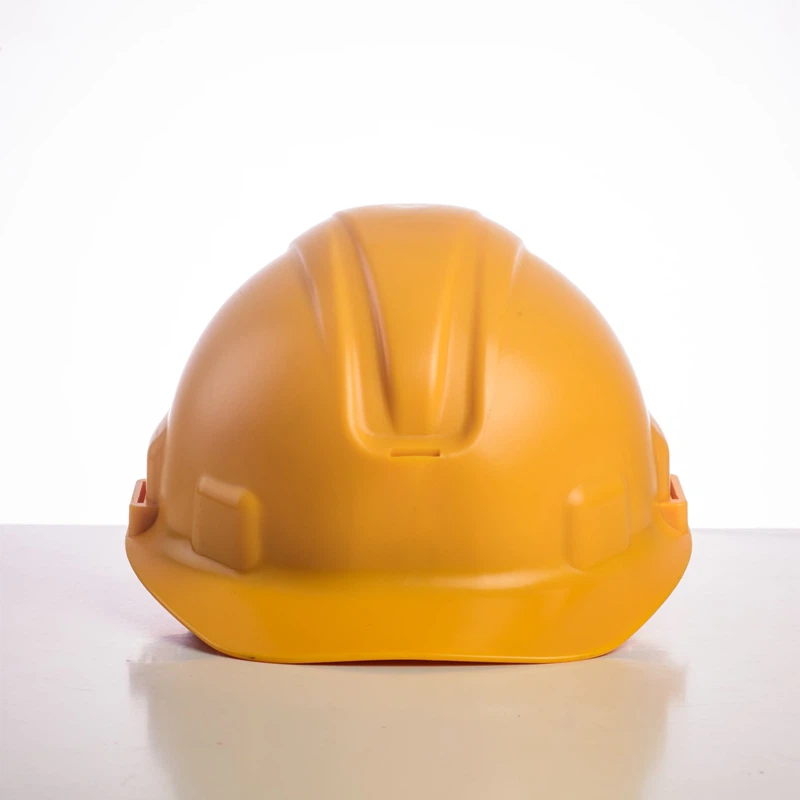
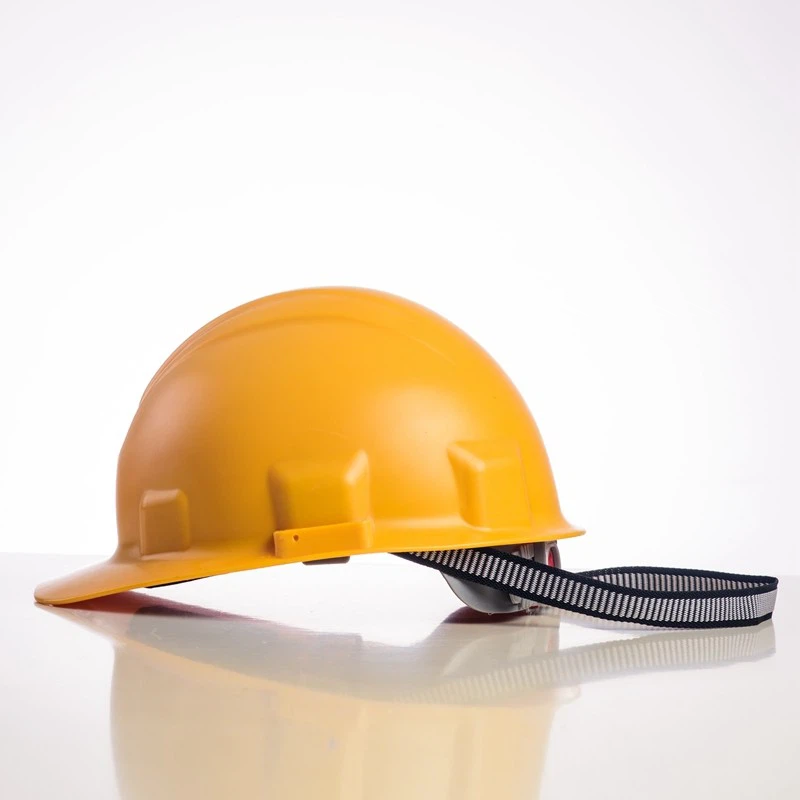
Most mining safety helmets are made from high - density plastics like ABS (Acrylonitrile Butadiene Styrene) or polycarbonate. These materials are generally water - resistant. They won't absorb water like a sponge, which is a good thing. But being water - resistant doesn't mean they're completely waterproof.
In light rain or a bit of splashing, these helmets can handle it just fine. The water will run off the smooth surface, and the helmet will continue to do its job of protecting the miner's head. However, if the helmet is submerged in water for a long time or exposed to heavy, continuous downpours, there's a risk.
The prolonged exposure to water can start to break down the material over time. It might cause the plastic to become brittle or lose some of its structural integrity. This could affect the helmet's ability to protect the wearer in case of an impact. So, while it can withstand some wetness, long - term submersion is a no - no.
Electrical Conductivity
Another big concern in wet conditions is electrical conductivity. Mines often have electrical equipment running all over the place. If a safety helmet gets wet, it could potentially conduct electricity more easily.
Most modern mining safety helmets are designed to be electrically insulating. But water is a conductor of electricity, and when it gets on the helmet, it can create a path for electrical current. This is extremely dangerous for miners.
If there's a risk of electrical contact in the mine, using a wet helmet can increase the chances of an electrical shock. So, in areas where there's live electrical equipment, it's crucial to keep the helmet as dry as possible. Some helmets come with additional insulation features to reduce this risk, but it's still something to be aware of.
Comfort and Fit
Wet conditions can also affect the comfort and fit of the mining safety helmet. The padding inside the helmet is usually made of materials like foam or fabric. When these materials get wet, they can become heavy and uncomfortable.
A wet padding can also start to chafe the wearer's head, causing irritation. And if the padding gets too wet, it might lose its ability to cushion the head properly. This can make the helmet less effective in protecting against impacts.
Moreover, a wet helmet might not fit as snugly as a dry one. The water can make the straps and buckles slippery, which could cause the helmet to shift or even fall off during movement. A loose - fitting helmet is no good in a dangerous environment like a mine.
Visibility
Visibility is important in mines, especially in wet conditions. A wet helmet can have water droplets on the surface, which can distort the miner's vision. This can make it harder to see what's going on around them, increasing the risk of accidents.
Some helmets come with visors or face shields to improve visibility. For example, the Hard Hat with Face Shield and Earmuffs can be a great option in wet conditions. The face shield can help keep the water off the miner's face and improve their line of sight.
Maintenance
Proper maintenance is crucial if a mining safety helmet has been exposed to wet conditions. After use in the rain or other wet situations, the helmet should be dried thoroughly. This can be done by wiping it down with a dry cloth and letting it air - dry in a well - ventilated area.
The padding should also be checked and dried. If it's too wet or damaged, it might need to be replaced. Regular inspections are a must to ensure that the helmet is still in good condition and safe to use.
When to Replace
Even with proper maintenance, there comes a time when a mining safety helmet that has been exposed to wet conditions might need to be replaced. If the helmet shows signs of significant wear and tear, like cracks, a brittle appearance, or a loss of padding integrity, it's time to get a new one.
Don't take chances with a damaged helmet, especially in a high - risk environment like a mine. It's better to invest in a new, reliable Safety Helmet Hat than to risk the safety of the miner.
Our Products and Solutions
At our company, we understand these concerns. That's why we offer a range of mining safety helmets that are designed to perform well in various conditions.
Our helmets are made from high - quality materials that have excellent water - resistant properties. They're also tested for electrical insulation to reduce the risk of electrical shock. And we offer different models with features like adjustable padding and face shields to improve comfort and visibility.
For those looking for a good deal, we have Construction Hard Hats for Sale. These hats are not only suitable for construction sites but can also be used in mines with proper precautions.
In conclusion, while a mining safety helmet can be used in some wet conditions, it's important to be aware of the limitations. Miners should take steps to keep the helmet as dry as possible, especially in areas with electrical hazards. And regular maintenance and inspection are key to ensuring the helmet remains effective.
If you're in the market for high - quality mining safety helmets, don't hesitate to reach out to us. We're here to help you find the right product for your needs. Whether you're a small mining operation or a large - scale company, we've got you covered. Let's talk about your requirements and find the perfect safety solution for your miners.
References
- Occupational Safety and Health Administration (OSHA) guidelines on mining safety equipment.
- Industry research on the effects of water on plastic materials used in safety helmets.
- Manufacturer's specifications and testing reports for mining safety helmets.


