


As a dedicated supplier of smart safety helmets, I've witnessed firsthand the critical role these innovative pieces of equipment play in safeguarding workers across various industries. One of the most remarkable features of our smart safety helmets is the advanced shock - absorption system. In this blog, I'll delve into how this system works, highlighting its significance and the science behind it.
The Basics of Shock Absorption
Before we explore the shock - absorption system in our smart safety helmets, it's essential to understand the concept of shock absorption. When an object collides with the helmet, a large amount of energy is transferred in a short period. This energy can cause severe damage to the head and brain if not properly managed. The primary function of a shock - absorption system is to dissipate this energy over a larger area and a longer time, reducing the force exerted on the wearer's head.
Components of the Shock - Absorption System in Our Smart Safety Helmets
Our smart safety helmets are equipped with a multi - layer shock - absorption system that consists of several key components.
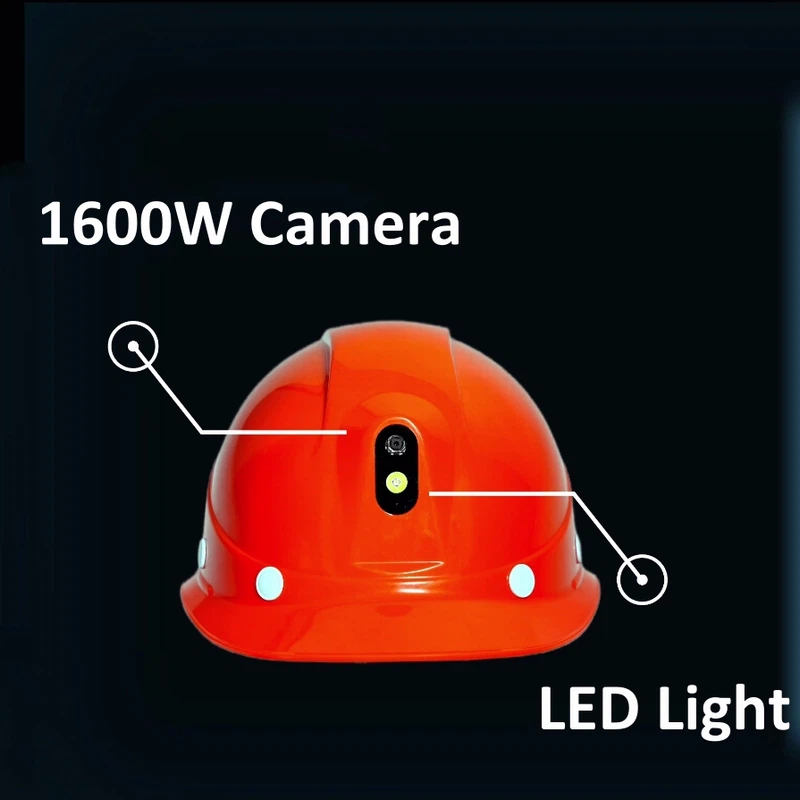
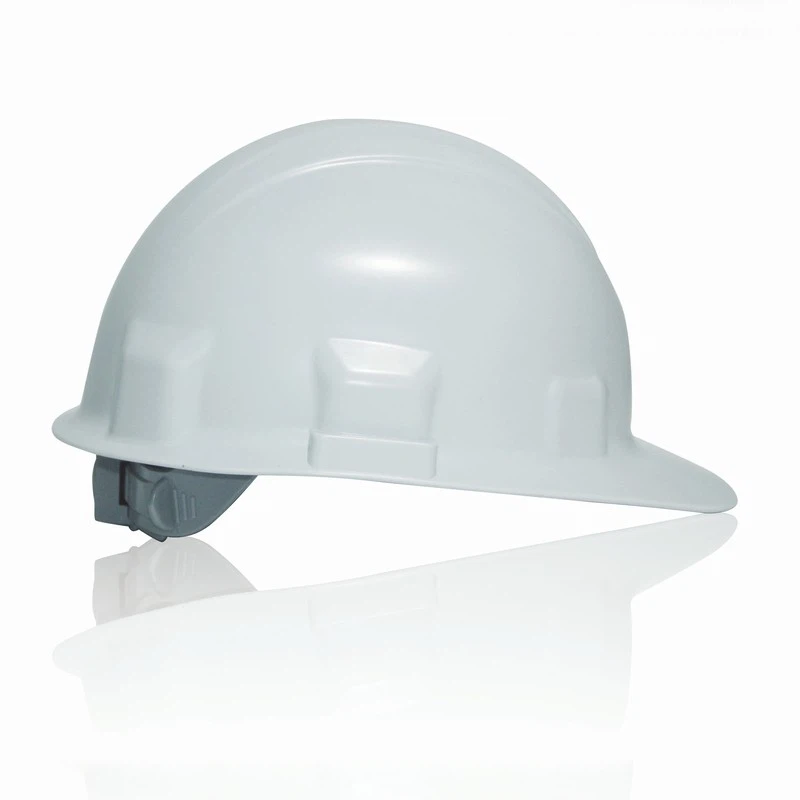
Outer Shell
The outer shell is the first line of defense. It is made of a strong and rigid material, typically high - density polyethylene (HDPE) or polycarbonate. These materials are chosen for their excellent impact resistance and durability. When an object strikes the helmet, the outer shell spreads the impact force over a larger area, preventing the force from being concentrated in one spot. This initial spreading of the force is crucial as it reduces the likelihood of the outer shell cracking or breaking upon impact.
Energy - Absorbing Layer
Beneath the outer shell lies the energy - absorbing layer. This layer is usually made of expanded polystyrene (EPS) foam. EPS foam is a lightweight material with excellent shock - absorbing properties. When the impact force is transferred from the outer shell to the EPS foam layer, the foam compresses. This compression process converts the kinetic energy of the impact into thermal energy, effectively dissipating the energy. The EPS foam is designed to compress in a controlled manner, ensuring that the force transmitted to the wearer's head is within safe limits.
Suspension System
The suspension system is another vital component of the shock - absorption system. It consists of straps and padding that cradle the wearer's head inside the helmet. The suspension system serves two main purposes. Firstly, it helps to distribute the remaining impact force evenly across the head. By spreading the force over a larger area of the head, the pressure on any single point is reduced, minimizing the risk of injury. Secondly, the suspension system provides a cushioning effect, further absorbing and dampening the impact force.
How the System Works in Action
Let's take a closer look at how the shock - absorption system works when a smart safety helmet is subjected to an impact.
Initial Impact
When an object, such as a falling tool or debris, strikes the helmet, the outer shell immediately starts to spread the impact force. The rigid nature of the outer shell ensures that the force is distributed over a larger surface area, reducing the stress on any particular point of the shell.
Energy Dissipation in the EPS Foam
As the force is transferred to the EPS foam layer, the foam begins to compress. The cells within the foam collapse, absorbing the energy of the impact. This compression process is carefully engineered to occur at a specific rate, ensuring that the energy is dissipated efficiently. The more the foam compresses, the more energy it absorbs, protecting the wearer's head from the full force of the impact.
Force Distribution by the Suspension System
After the EPS foam has absorbed a significant portion of the impact energy, the remaining force is transferred to the suspension system. The straps and padding of the suspension system distribute this force evenly across the head. The padding also provides an additional layer of cushioning, further reducing the force felt by the wearer.
The Importance of a Good Shock - Absorption System
A well - designed shock - absorption system in a smart safety helmet can make a significant difference in preventing head injuries. In industries such as construction, mining, and manufacturing, workers are often exposed to potential head impacts from falling objects, collisions, or accidents. A helmet with an effective shock - absorption system can reduce the risk of traumatic brain injuries, concussions, and skull fractures.
Moreover, our smart safety helmets are not just about protection; they are also designed with comfort in mind. The shock - absorption system, along with the lightweight materials used, ensures that the helmet is comfortable to wear for extended periods. This encourages workers to wear their helmets consistently, which is essential for their safety.
Related Products
In addition to the shock - absorption system, our smart safety helmets come with a range of other features and accessories. For example, we offer a 4 Point Chin Strap for Hard Hat that provides a secure fit, ensuring that the helmet stays in place during an impact. We also have Insulated Hard Hat options for workers in cold environments, and Hard Hat for High Voltage for those working in electrical hazards.
Conclusion
The shock - absorption system in our smart safety helmets is a result of extensive research and development. It combines the latest materials and engineering techniques to provide optimal protection for workers. By effectively dissipating impact energy and distributing the force evenly, our helmets can significantly reduce the risk of head injuries.
If you're in the market for high - quality smart safety helmets, we invite you to get in touch with us for a detailed discussion. Our team of experts is ready to assist you in choosing the right helmet for your specific needs. Whether you're a small business or a large corporation, we can provide you with the best safety solutions at competitive prices. Contact us today to start the procurement process and ensure the safety of your workers.
References
- ASTM International. (2018). Standard Specification for Industrial Head Protection. ASTM F1492 - 18.
- National Institute for Occupational Safety and Health (NIOSH). (2020). Head Protection in the Workplace.
- Snell Memorial Foundation. (2021). Standards for Protective Headgear.


