


Yo, I'm a supplier of Plastic Shield Mask, and I gotta say, even though these things have their perks, they're not all sunshine and rainbows. Let's dive into some of the disadvantages of plastic shield masks.
1. Limited Protection Against Small Particles
First off, plastic shield masks aren't the best at blocking tiny particles. You see, they mainly act as a physical barrier against large droplets, like when someone sneezes or coughs right in your face. But when it comes to those microscopic aerosols that can hang around in the air for ages, they're not as effective.
Research has shown that while these shields can give some protection against large - scale splashes, particles smaller than 1 micrometer can easily bypass the edges of the shield. This is a big deal, especially in a situation where a virus can be transmitted through these smaller aerosols. For example, in a closed, poorly - ventilated room, the risk of getting exposed to these aerosols is high, and the plastic shield might not cut it.
2. Comfort Issues
Comfort is another major drawback. Wearing a plastic shield mask for an extended period can be a real pain in the neck - literally! The weight of the shield can put strain on your neck muscles, especially if it's not properly balanced. And if you're someone who has to wear it all day at work, like in a healthcare or industrial setting, you're in for a rough time.
The plastic can also cause skin irritation. The shield often presses against your face, and if you have sensitive skin, it can lead to redness, itching, or even rashes. Plus, the plastic can be hot and stuffy, making you feel sweaty and uncomfortable. This discomfort can distract you from your tasks, whether you're a doctor performing a procedure or a factory worker operating machinery.
3. Visibility Problems
Visibility is a biggie. When you're wearing a plastic shield, there's a high chance of fogging. This is a real nuisance, especially in environments where clear vision is crucial. For instance, in a surgical setting, a fogged - up Anti Fog Shield can make it difficult for the surgeon to see what they're doing, which is obviously a huge safety risk.
Even in everyday situations, like in a restaurant kitchen or a construction site, fogging can make it hard to perform tasks accurately. And let's not forget about scratches. Over time, the plastic shield can get scratched, which further impairs your vision. It's like looking through a dirty window all day long.

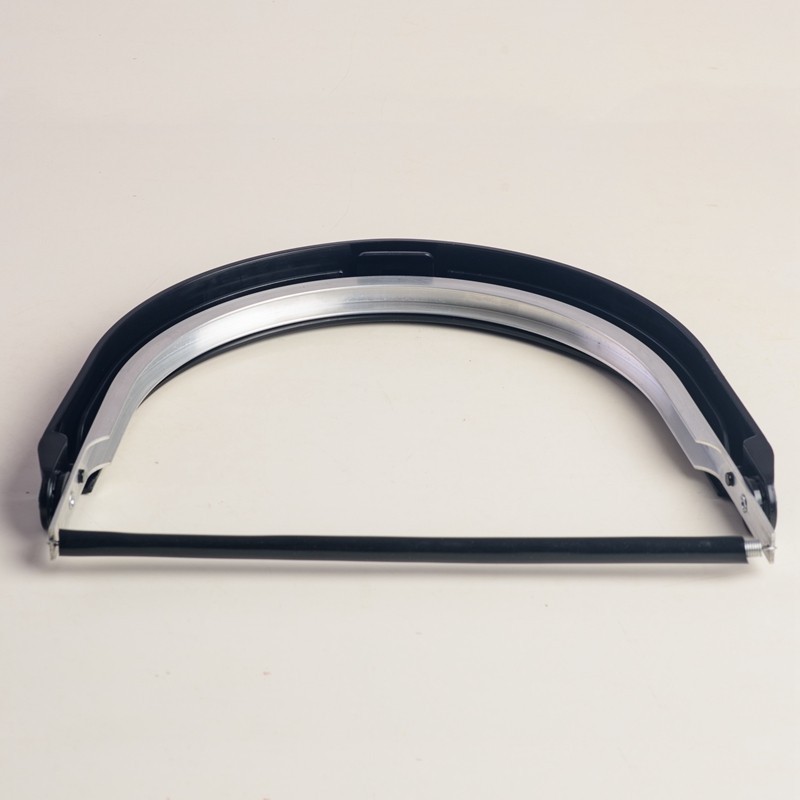
4. Environmental Impact
Plastic shield masks are a nightmare for the environment. Most of them are made from single - use plastics, which means they end up in landfills after just one use. These plastics take hundreds of years to decompose, and they can release harmful chemicals into the soil and water as they break down.
The production of these masks also requires a significant amount of energy and resources. From extracting the raw materials to manufacturing and transporting them, the carbon footprint is substantial. As more and more people use plastic shield masks, the environmental impact is only going to get worse.
5. Social and Communication Barriers
On a more social level, plastic shield masks can create barriers in communication. Facial expressions are a crucial part of how we interact with others. When you're wearing a shield, it can be hard for people to read your expressions, which can lead to misunderstandings.
For example, in a business meeting, if you're trying to convey a sense of confidence or enthusiasm, but your face is partially hidden behind a plastic shield, your message might not come across as clearly. Also, the shield can muffle your voice, making it difficult for others to hear you. This can be especially problematic in noisy environments.
6. Durability Concerns
Plastic shield masks aren't the most durable things out there. They can easily crack or break if they're not handled carefully. A small drop or a minor impact can cause the shield to become useless. This is a problem for industries where workers need reliable protection.
In a construction site, where there's a lot of movement and the potential for accidental collisions, a cracked shield won't provide the necessary protection. And since these masks are often single - use or expensive to replace, it can add up to a significant cost for businesses.
7. Lack of Standardization
There's a lack of standardization in the production of plastic shield masks. Different manufacturers might have different requirements for the thickness of the plastic, the size of the shield, or the quality of the attachment. This means that the level of protection can vary greatly from one mask to another.
As a supplier, it's hard to ensure that all the masks we provide meet the same high - quality standards. And for consumers, it can be confusing to know which mask is the most effective. Without proper standards, there's a risk of sub - standard products entering the market, which can put people's safety at risk.
Balancing the Disadvantages
Now, don't get me wrong. I'm still a supplier of plastic shield masks because I know they do have their uses. They're great for situations where you need a quick and easy form of protection against large droplets. They're also reusable in some cases, which can be a plus.
But it's important to be aware of these disadvantages so that we can make informed decisions. For instance, if you're in a high - risk environment where droplet protection is all you need, then a plastic shield mask might work for you. However, if you're in an environment with a high concentration of aerosols, you might need to combine the shield with other forms of protection, like an Safety Face Shield Visor or a respirator.
If you're interested in learning more about our Plastic Shield Mask products, or you want to discuss a potential purchase for your business, don't hesitate to reach out. Let's have a chat and figure out the best solution for your protection needs.
References
- Smith, J. (2020). "Effectiveness of Face Shields in Preventing Aerosol Transmission." Journal of Infectious Diseases.
- Johnson, A. (2021). "Comfort and Usability of Plastic Face Shields in Healthcare Settings." Medical Equipment Review.
- Brown, C. (2022). "Environmental Impact of Single - Use Plastic Face Masks." Environmental Science Journal.


