


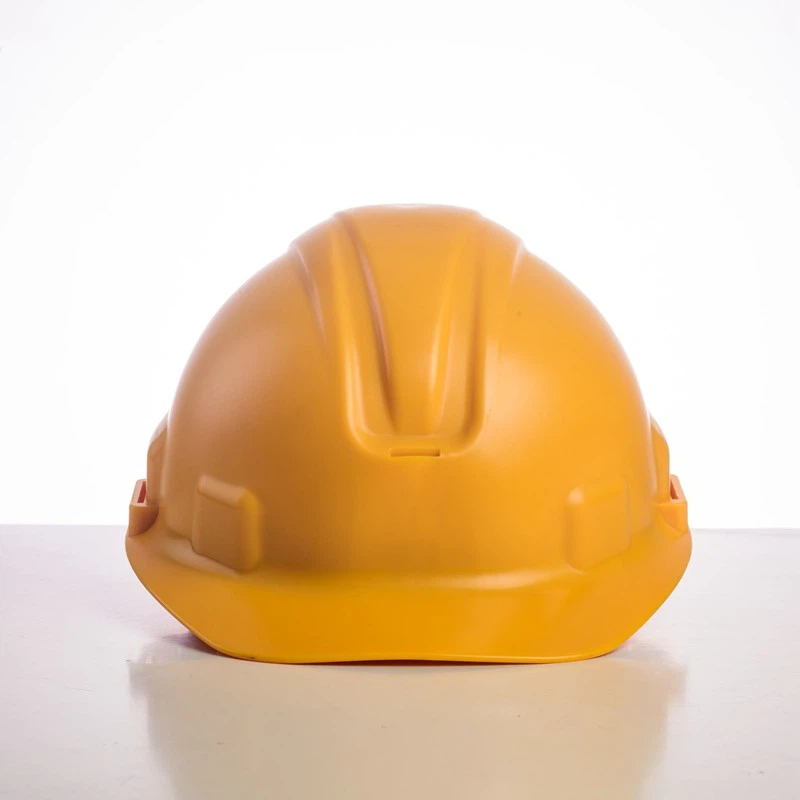
Picking the right size of a safety helmet hat isn't just about comfort; it's a matter of safety. As a safety helmet hat supplier, I've seen firsthand how a well - fitting helmet can make a huge difference in a workplace. Let's dive into the key factors and steps to help you choose the perfect - sized safety helmet.
Why Size Matters
First off, why is getting the right size so important? A helmet that's too big won't stay in place when you need it most. You might be working on a construction site, climbing a ladder or even just moving around quickly, and a loose helmet could slip off. On the other hand, a helmet that's too small will be incredibly uncomfortable, and it may not distribute the impact forces properly in case of an accident.
Measuring Your Head
The first step in choosing the right size is to measure your head. You'll need a flexible measuring tape. Start the tape just above your eyebrows, making sure it's level all around your head. Wrap the tape around the widest part of your head, which is usually about an inch above your ears. Make sure the tape is snug but not too tight. Jot down the measurement in either inches or centimeters, depending on what the size chart of the helmet you're interested in uses.
Once you've got your measurement, it's time to look at the manufacturer's size chart. Different brands may have slightly different sizing, so don't assume that because you're a certain size in one helmet, you'll be the same size in another. For example, some helmets have a wider range of adjustability, while others are more fixed in their sizing.
Consider Your Head Shape
It's not just about the circumference of your head; the shape matters too. Heads come in different shapes - oval, round, or even slightly oblong. Some helmets are designed to fit specific head shapes better than others. If your head is more oval, a helmet that's designed with an oval shape in mind will provide a more comfortable and secure fit. When you're looking at product descriptions, see if the manufacturer mentions anything about head - shape compatibility.
Try Before You Buy (If Possible)
If you have the opportunity, try on the helmet before you make a purchase. This gives you a real - world feel for how it fits. Pay attention to how it sits on your head. It should feel balanced, not tipping forward or backward. The padding should comfort your head, and there shouldn't be any pressure points. If you're buying online, check if the supplier has a return policy in case the helmet doesn't fit as expected.
Special Features and Sizing
Don't forget to consider any special features you might need. For instance, if you're interested in a Large Brim Hard Hat, the large brim may affect the fit slightly. It could be a bit bulkier, so you might want to go up a size if you're between sizes. Similarly, a Hard Hat with Face Shield and Earmuffs will add extra weight and bulk around the head. This extra equipment needs to be factored into the sizing decision to ensure a proper fit.
Adjustability
Many safety helmets come with adjustable features. These can include adjustable straps, suspension systems, or even padding that can be changed. Adjustability can be a huge plus, especially if your head size is right on the edge of two different sizes. You can fine - tune the fit to make the helmet as comfortable and secure as possible.
When you're looking at adjustable helmets, check how easy it is to make the adjustments. You don't want to struggle with a complicated system every time you put on the helmet. And make sure the adjustments stay in place during normal use.
Workplace Requirements
Your workplace may have specific requirements for safety helmets. Some industries may require helmets with certain safety ratings or features. For example, in a construction site, you might need a Red Helmet Construction to indicate a certain role. These requirements might also affect the size and type of helmet you choose. Make sure to check with your employer or industry regulations to ensure you're in compliance.
Child and Youth Sizes
If you're looking for safety helmets for children or youth, the same principles apply, but you need to be extra careful. Kids' heads are still growing, so consider a helmet with a good range of adjustability. Also, make sure the helmet is made of materials that are safe and appropriate for younger users.

Seasonal Considerations
Believe it or not, the season can play a role in sizing. In the summer, you might wear less under your helmet, which could make a slightly snugger fit more comfortable. In the winter, you might wear a hat or extra padding under the helmet, so you may need a slightly larger size.
Conclusion
Choosing the right size of a safety helmet hat is crucial for both comfort and safety. By measuring your head accurately, considering your head shape, trying on the helmet if possible, and factoring in special features, workplace requirements, and seasonal needs, you can find the perfect - fitting helmet.
If you're in the market for a safety helmet and need guidance on sizing or have any other questions, feel free to reach out. We're here to help you make the best choice for your safety and comfort. Whether you're an individual looking for a personal helmet or a business in need of bulk orders, we've got you covered. Contact us to start the procurement process and let's find the right safety helmets for you.
References
- Occupational Safety and Health Administration (OSHA) guidelines on personal protective equipment.
- Manufacturer's product manuals and size charts for safety helmets.


