


Do Anti Fog Shields Work in Hot Environments?
As a supplier of Anti Fog Shields, I've received numerous inquiries regarding the effectiveness of these shields in hot environments. This blog post aims to delve into this topic, providing scientific insights and practical information to help you understand whether Anti Fog Shields are a suitable solution for high - temperature settings.
Understanding the Science of Anti - Fog Technology
Before we discuss the performance in hot environments, it's essential to understand how anti - fog technology works. When warm, moist air comes into contact with a cold surface, such as a traditional face shield, the water vapor in the air condenses into tiny water droplets, creating a foggy layer. Anti Fog Shields combat this issue through two main mechanisms: hydrophilic and hydrophobic coatings.
Hydrophilic coatings attract water molecules, spreading them out into a thin, uniform layer instead of allowing them to form droplets. This thin layer of water is transparent, preventing the formation of fog. Hydrophobic coatings, on the other hand, repel water, causing the droplets to roll off the surface quickly. Both types of coatings have been designed to maintain clear visibility for the wearer.
Challenges in Hot Environments
Hot environments pose several unique challenges for anti - fog shields. One primary issue is high humidity. In many hot environments, such as kitchens, industrial settings with steam, or tropical climates, the air is often saturated with moisture. The high concentration of water vapor increases the likelihood of condensation, even on anti - fog surfaces.
Another challenge is temperature fluctuations. In a hot environment, sudden changes in temperature can occur, for example, when moving from a hot area to an air - conditioned space or vice versa. These rapid temperature changes can cause the anti - fog coating to become less effective, as the accelerated condensation process may overwhelm the coating's ability to prevent fogging.
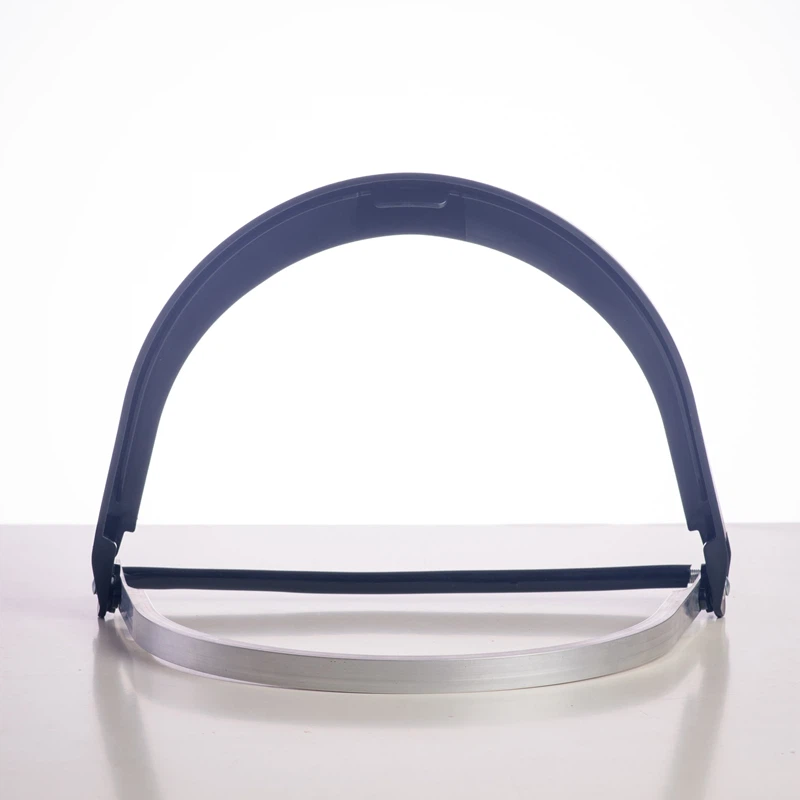

Effectiveness of Anti Fog Shields in Different Hot Scenarios
Industrial Kitchens
Industrial kitchens are characterized by high temperatures, high humidity, and frequent temperature changes. Steam from cooking processes, hot ovens, and cold refrigerators all contribute to a challenging environment for maintaining clear vision. Anti Fog Shields have shown considerable effectiveness in this setting. The hydrophilic coatings, in particular, are well - suited to handle the constant moisture. The shield can absorb the water vapor and spread it evenly, allowing kitchen staff to see clearly while cooking, handling hot equipment, or moving between different temperature zones within the kitchen. For instance, chefs using Anti Fog Shield can focus on their culinary tasks without the distraction of a foggy shield.
Tropical Outdoor Workplaces
In tropical regions, outdoor workers often face extreme heat and humidity. Construction workers, agricultural laborers, and delivery personnel are constantly exposed to these harsh conditions. Anti Fog Shields can be a valuable asset in these situations. Although the high humidity is a challenge, the hydrophobic coatings can help repel water droplets that form on the shield surface. This allows workers to have a clear line of sight, reducing the risk of accidents. For example, a construction worker wearing a Safety Face Shield Visor with an anti - fog coating can better assess the construction site and operate machinery safely.
Industrial Steam - Producing Facilities
Facilities such as power plants, textile mills, and food processing plants that generate a significant amount of steam present a tough test for anti - fog shields. The dense steam and high temperatures can quickly cause fogging on regular shields. However, advanced anti - fog shields with high - performance coatings can maintain clarity to a certain extent. These shields are designed to withstand the extreme moisture and heat, providing workers with a clearer view of their work area. For workers in these facilities, using a Plastic Shield Mask with anti - fog technology can enhance their safety and productivity.
Factors Affecting Performance
Several factors can influence the performance of anti - fog shields in hot environments. The quality of the anti - fog coating is a crucial factor. Higher - quality coatings are often more durable and effective in resisting fogging. The thickness of the coating can also play a role, as thicker coatings may provide better protection against condensation.
The material of the shield itself can impact performance. Some materials are better at retaining heat or dissipating it, which can affect the likelihood of condensation. Additionally, proper maintenance of the shield is essential. Regular cleaning with recommended cleaning agents can help preserve the anti - fog coating and ensure its long - term effectiveness.
Tips for Maximizing Anti - Fog Performance in Hot Environments
- Choose the Right Coating: Based on the specific hot environment, select the appropriate anti - fog coating. Hydrophilic coatings are better for environments with high, constant moisture, while hydrophobic coatings are suitable for situations where water droplets need to be quickly removed.
- Proper Installation: Ensure the shield is correctly installed to prevent air gaps. Air gaps can allow warm, moist air to circulate behind the shield, increasing the chances of fogging.
- Regular Cleaning: Clean the shield regularly using a mild, non - abrasive cleaner. Avoid using harsh chemicals that can damage the anti - fog coating.
Conclusion
In conclusion, Anti Fog Shields can work in hot environments, but their effectiveness depends on various factors such as the type of environment, the quality of the coating, and proper maintenance. In industrial kitchens, tropical outdoor workplaces, and steam - producing facilities, these shields can provide significant benefits, enhancing visibility and safety for workers.
If you're in need of high - quality Anti Fog Shields for your hot - environment applications, we're here to help. We offer a wide range of anti - fog products, including Safety Face Shield Visor, Plastic Shield Mask, and Anti Fog Shield. Contact us for more information and to discuss your specific requirements. We're ready to assist you in finding the best anti - fog solution for your needs.
References
- "The Science of Anti - Fog Coatings" - Journal of Applied Optics
- "Performance of Anti - Fog Materials in High - Humidity Environments" - International Journal of Thermal Sciences
- "Safety Considerations for Workers in Hot and Humid Conditions" - Occupational Safety and Health Review


