


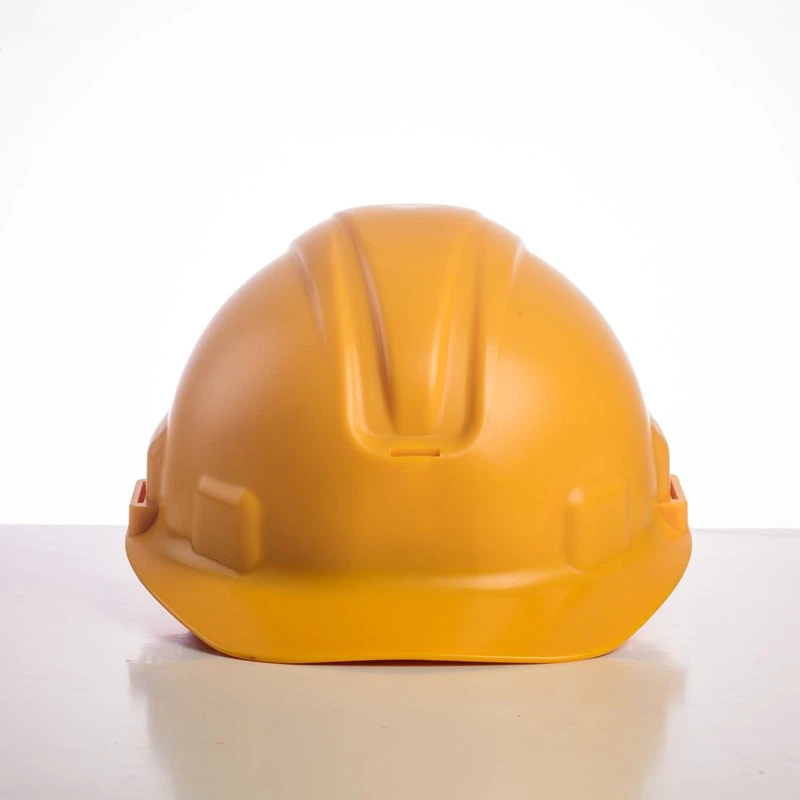
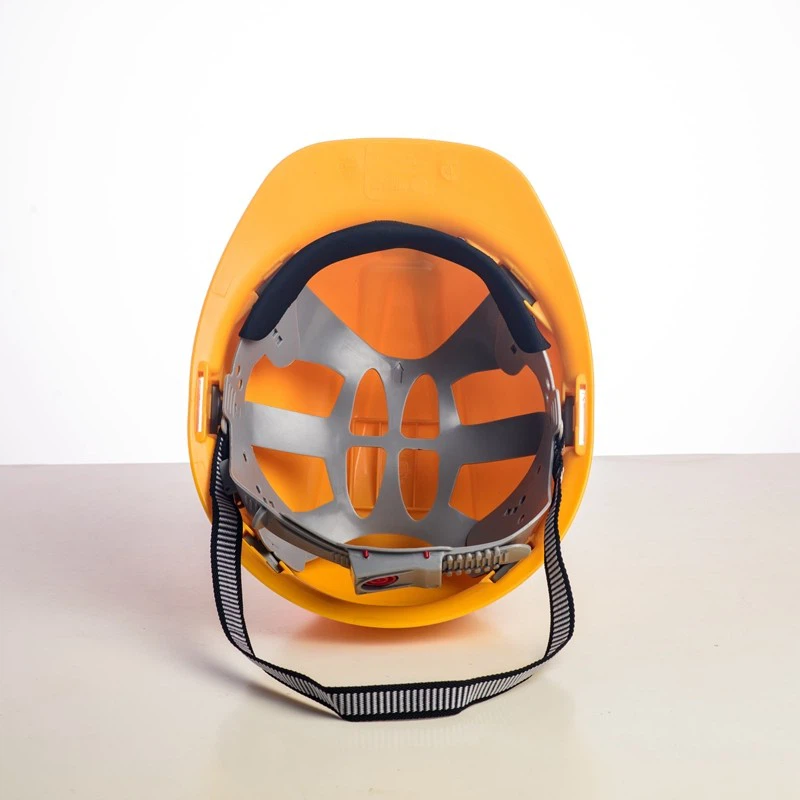
As a supplier of smart hard hats, I am often asked about the suitability of our products for electrical work areas. This is a crucial question considering the high - risk nature of electrical work and the importance of personal protective equipment (PPE). In this blog, I will explore whether smart hard hats can be effectively used in electrical work areas, taking into account various factors such as safety standards, technological features, and practical applications.
Safety Standards for Electrical Work Areas
Electrical work areas are subject to strict safety regulations. The main concern is protecting workers from electrical hazards, including electric shocks, burns, and arc - flashes. Traditional hard hats are designed to protect against impacts, falling objects, and some limited electrical protection. However, for electrical work, additional safety features are required.
The Occupational Safety and Health Administration (OSHA) in the United States, for example, has specific standards for head protection in electrical work. These standards dictate that hard hats used in areas where there is a risk of electrical shock must be rated to withstand a certain level of voltage. Class E (Electrical) hard hats are designed for the highest level of electrical protection, with the ability to withstand up to 20,000 volts. Class G (General) hard hats offer a lower level of protection, up to 2,200 volts, and Class C (Conductive) hard hats provide no electrical protection and are not suitable for electrical work.
Smart hard hats must meet these safety standards to be used in electrical work areas. Our smart hard hats are rigorously tested to ensure they comply with the relevant electrical safety ratings. This means that when you choose our smart hard hats for electrical work, you can be confident that they offer the necessary protection against electrical hazards.
Technological Features of Smart Hard Hats
Smart hard hats are not just traditional hard hats with a fancy name. They come equipped with a range of advanced technological features that can enhance safety and productivity in electrical work areas.
Sensor Technology
One of the key features of smart hard hats is the integration of sensors. These sensors can detect various environmental factors such as temperature, humidity, and gas levels. In electrical work areas, temperature sensors can be particularly useful. Overheating electrical components can be a sign of a potential problem, and the temperature sensors in our smart hard hats can alert workers to such issues in real - time.
Gas sensors are also important, as electrical equipment can sometimes emit harmful gases when malfunctioning. By detecting these gases early, workers can take appropriate action to avoid potential health risks.
Communication Systems
Smart hard hats often include built - in communication systems. In electrical work areas, where workers may be spread out over a large area or working in noisy environments, effective communication is essential. Our smart hard hats allow workers to communicate with each other and with supervisors easily. This can improve coordination during complex electrical tasks and ensure that safety procedures are followed.
Location Tracking
Location tracking is another valuable feature of smart hard hats. In an electrical work area, it is important to know the whereabouts of each worker at all times. In case of an emergency, such as an electrical accident, the location tracking feature can help rescue teams quickly locate the affected workers.
Practical Applications in Electrical Work Areas
Let's look at some practical scenarios where smart hard hats can be beneficial in electrical work areas.
Installation and Maintenance of Electrical Systems
When installing or maintaining electrical systems, workers are often exposed to various hazards. Smart hard hats can provide real - time information about the electrical environment, such as the voltage levels in nearby circuits. This information can help workers make informed decisions and avoid dangerous situations.
For example, if a worker is about to perform maintenance on a circuit and the smart hard hat detects an abnormal voltage spike, the worker can immediately stop the task and notify the supervisor. This can prevent electrical accidents and ensure the safety of the worker and the integrity of the electrical system.
Working in Confined Spaces
Electrical work often involves working in confined spaces, such as electrical cabinets or manholes. In these situations, smart hard hats can be a lifesaver. The sensors in the hard hat can detect low oxygen levels or the presence of toxic gases, which are common hazards in confined spaces. The communication system allows workers to stay in touch with colleagues outside the confined space, and the location tracking feature ensures that they can be quickly located in case of an emergency.
Compatibility with Other Safety Equipment
Smart hard hats need to be compatible with other safety equipment used in electrical work areas. For example, they should be able to work in conjunction with safety glasses, ear protection, and electrical gloves. Our smart hard hats are designed with this in mind. They have a comfortable fit and do not interfere with the use of other PPE.
In addition, the smart hard hats can be integrated with other safety systems in the workplace. For example, they can be connected to the company's safety monitoring software, which can collect and analyze the data from the hard hats' sensors. This can provide a comprehensive view of the safety situation in the electrical work area and help management make informed decisions about safety procedures.
Cost - Benefit Analysis
Some may argue that smart hard hats are more expensive than traditional hard hats. However, when considering the long - term benefits, the cost is often justified. The enhanced safety features of smart hard hats can reduce the risk of electrical accidents, which can lead to significant cost savings in terms of medical expenses, lost productivity, and potential legal liabilities.
In addition, the technological features of smart hard hats can improve productivity. For example, the communication and location tracking features can streamline work processes and reduce downtime. Therefore, when evaluating the cost of smart hard hats, it is important to consider the overall cost - benefit ratio.
Conclusion
In conclusion, smart hard hats can be effectively used in electrical work areas. They meet the necessary safety standards, offer a range of advanced technological features, and have practical applications that can enhance safety and productivity. As a supplier of smart hard hats, we are committed to providing high - quality products that meet the specific needs of electrical workers.
If you are interested in learning more about our Head Lights for Hard Hats, Mining Safety Helmet, or Solar Hard Hat, or if you would like to discuss potential procurement and collaboration opportunities, please feel free to reach out. We are here to help you make the best choice for your electrical work safety needs.
References
- Occupational Safety and Health Administration (OSHA). Electrical Safety Standards.
- Industry research reports on smart hard hats and electrical work safety.


