Why Safety Face Shield Selection Guide for Home-Improvement Contractors?
For home-improvement contractors, selecting the right safety face shield is critical to mitigating job-specific hazards. Unlike one-size-fits-all gear, effective face protection must align with task risks-from fine particulates to chemical exposure. This guide breaks down key considerations and uses two real-world renovation cases to illustrate how proper shield selection safeguards workers.
Face shields are not just supplementary gear; they form a barrier against eye and facial injuries, which account for 20% of construction-related incidents. Key factors in selection include hazard type (particulates, chemicals, impacts), shield material, and compatibility with other PPE (respirators, goggles). Lightweight, durable options boost compliance, as contractors wear them for extended shifts. Below are two common renovation scenarios and their ideal shield solutions.
Case 1: Drywall Renovation & Sanding
A contractor team was hired to refinish a 1920s home's interior, involving drywall removal, sanding, and patching. The job generated dense clouds of fine gypsum dust, mixed with trace fiberglass from old insulation. Initially, workers used basic safety goggles, but dust particles still irritated their eyes and settled on facial skin, causing itching and congestion.
The solution: Switching to clear polycarbonate face shields paired with N95 respirators. These shields feature a full-face design that blocks dust from all angles, unlike goggles which leave gaps around the cheeks. The polycarbonate material is scratch-resistant-critical for sanding tasks where debris may fly-and lightweight enough for 8-hour wear. Post-switch, no workers reported eye irritation, and cleanup time was reduced as dust was kept off skin and clothing.
Case 2: Kitchen Cabinet Refinishing
Another team tackled refinishing kitchen cabinets, which required stripping old paint with methylene chloride-based removers and applying water-based polyurethane. The stripping process produced corrosive fumes and occasional liquid splatters, while polyurethane application released VOCs. Workers first used standard plastic shields, but fumes seeped under the shield edge, and paint remover splatters damaged the plastic, reducing visibility.
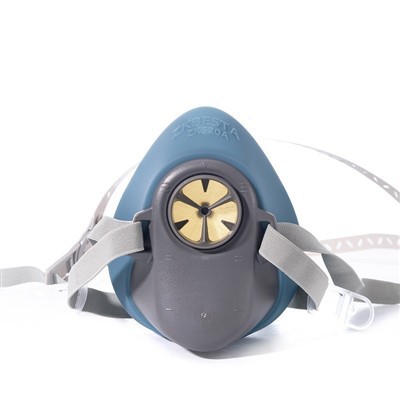
The solution: Upgrading to chemical-resistant full-face shields with neoprene headbands. These shields are made of chemical-grade polycarbonate that resists degradation from solvents and removers. The neoprene headband creates a tight seal against the forehead, blocking fume infiltration. They also pair seamlessly with chemical cartridge respirators, ensuring full facial and respiratory protection. No chemical burns or fume-related discomfort occurred after the switch.
For contractors, the golden rule is: match the shield to the hazard. Particulate-heavy jobs demand scratch-resistant, full-face polycarbonate shields, while chemical tasks require chemical-resistant models with tight seals. Investing in task-specific shields reduces injuries and keeps projects on track.