Drywall Dust vs. Chemical Splash: Picking the Correct Shield for Remodeling?
Remodeling sites pose dual threats-drywall dust and chemical splashes-each demanding targeted respiratory and facial protection. Drywall dust, a fine particulate from sanding or cutting gypsum boards, lodges in airways and irritates mucous membranes, while chemical splashes (from paints, solvents, or adhesives) risk skin burns, eye damage, and toxic inhalation. Choosing the right shield hinges on understanding these hazards' unique properties and matching them to protective gear capabilities.
Drywall dust consists of micron-sized gypsum particles, often mixed with fiberglass or cellulose. Though non-toxic, prolonged exposure causes coughing, congestion, and exacerbates asthma. Protection here prioritizes particulate filtration and breathability, as workers often wear gear for hours during sanding or demolition. Conversely, chemical splashes involve corrosive or volatile substances that can penetrate standard masks, requiring barrier protection against both liquid contact and vapor inhalation. Gear must resist degradation from chemicals and seal tightly to prevent leaks.
Comparison of Hazards and Protective Requirements
|
Category |
Drywall Dust |
Chemical Splash |
|
Hazard Type |
Inhalable particulates (0.1–10 microns) |
Liquid splashes + toxic vapors/VOCs |
|
Primary Risk |
Respiratory irritation, airway blockage, allergic reactions |
Skin/eye burns, chemical poisoning, long-term organ damage |
|
Recommended Mask Type |
N95/P100 particulate respirators (disposable or reusable) |
Chemical cartridge respirators (with organic vapor filters) |
|
Facial Protection |
Safety goggles or face shield (to block dust from eyes) |
Full-face shield + chemical-resistant goggles (liquid barrier) |
|
Gear Durability Need |
Resists clogging; breathable for extended wear |
Chemical-resistant (ABS, neoprene); leak-proof seal |
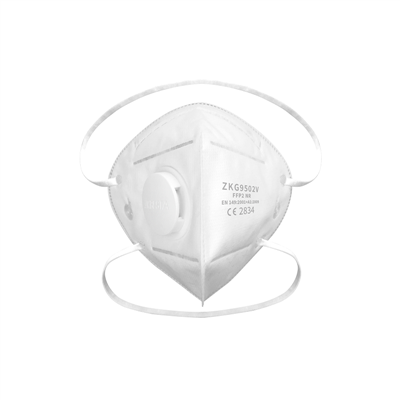
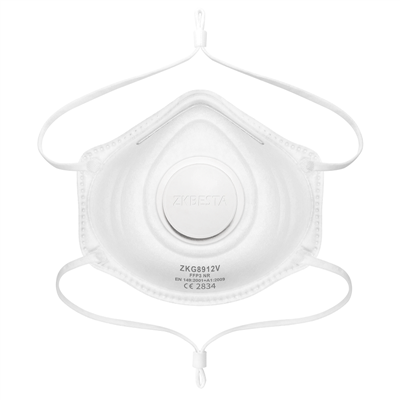
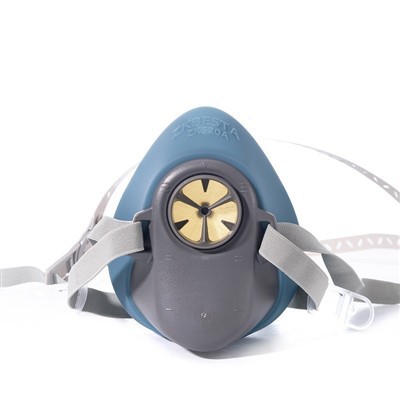
For drywall work, P100 respirators paired with safety goggles balance filtration (99.97% efficiency for ≥0.3 microns) and comfort. Reusable models with replaceable filters suit long projects. For chemical tasks, full-face respirators with organic vapor cartridges block both splashes and vapors, while nitrile gloves and aprons complement facial protection.
Mismatched gear risks injury-using a particulate mask for chemicals offers no vapor defense, while a chemical respirator is bulky for dust-heavy jobs. By aligning protection with hazard type, remodelers safeguard health without compromising productivity.