What Is Respirable Silica Dust?
Respirable silica dust is generated during the processing of silica-containing materials such as concrete, stone, sand, glass, and ceramics. With particle sizes ≤10 micrometers, these airborne particles easily penetrate deep into the lungs and are classified as respirable crystalline silica (RCS).
Industries such as construction, mining, quarrying, glass manufacturing, and refractory processing are particularly exposed to high concentrations of silica dust during cutting, grinding, drilling, and crushing operations.
Health Hazards of Respirable Crystalline Silica
Long-term inhalation of respirable silica dust can cause irreversible and life-threatening occupational diseases, including:
Silicosis (incurable progressive lung fibrosis)
Chronic obstructive pulmonary disease (COPD)
Pulmonary tuberculosis
Lung cancer (IARC Group 1 carcinogen)
Reduced lung capacity and respiratory failure
Immune system impairment and autoimmune disorders
Silica-related lung damage is permanent but entirely preventable with correct exposure control and respiratory protection strategies.
Why Standard Dust Masks Fail Against Silica Dust
Conventional disposable dust masks are not designed to filter respirable crystalline silica. These masks fail to block particles below 10 micrometers, leaving workers exposed even when masks are worn.
To meet international safety standards and effectively reduce exposure, high-efficiency respiratory protection is mandatory.
Recommended solutions include:
P100 respirator filters (99.97% filtration efficiency)
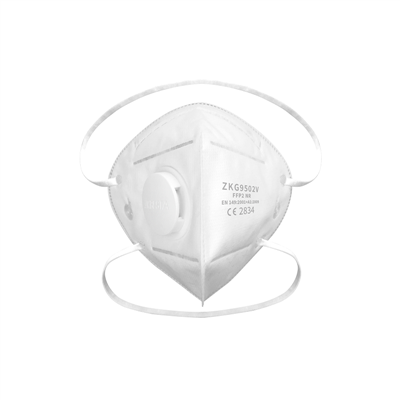
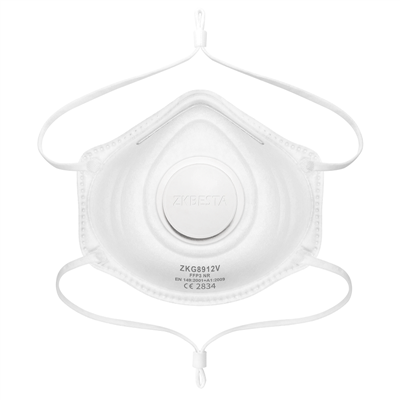
FFP3 respirators for high-risk silica dust environments
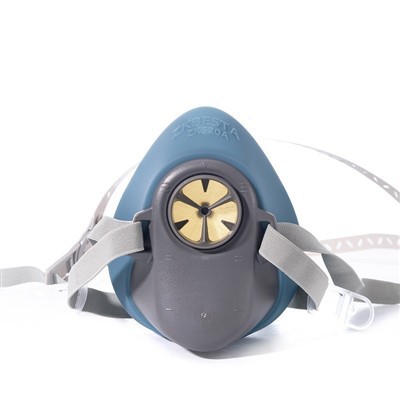
Reusable half-face respirators with certified silica-rated filters
Comprehensive Silica Dust Control Program (Beyond Masks)
Effective silica protection requires a systematic control strategy, not just PPE selection.
A professional silica dust control program includes:
Local exhaust ventilation (LEV) systems at dust sources
Certified respiratory protective equipment (RPE)
Proper respirator fit testing
Correct filter selection and replacement cycles
Worker training and safety audits
For employers, contractors, and project managers, investing in compliant silica protection helps:
Reduce occupational disease claims
Meet OSHA / EN / GB safety standards
Protect skilled labor and productivity
Lower long-term insurance and legal risks
Respirator Selection Guide by Industry & Application
Construction Industry – High-Risk Silica Exposure
1.High Dust Operations(concrete cutting, grinding, drilling)
We suggest FFP3 respirators,reusable half-face respirators with P100 filters,tight facial seal for continuous heavy-duty work
2.Low / Indirect Exposure Tasks(site cleaning, material handling)
we suggest Certified KN95 masks,daily replacement required for effectiveness
Mining & Quarrying Applications
Mining environments involve high dust density, humidity, and abrasive conditions.
1.Underground mining / post-blasting cleaning:we suggest full-face respirators with P100 filters
2.Open-pit quarrying / crushing operations:we suggest half-face respirators with P100 filters for mobility and comfort
Manufacturing & Industrial Processing
Industries such as glass grinding, ceramic polishing, refractory material processing generate ultra-fine silica dust.
Recommended configurations:
High-temperature resistant P100 filter systems
Half-face respirators with exhalation valves to reduce heat buildup
FFP3 disposable respirators for clean, controlled assembly lines
(strict replacement every 4–6 hours)
Special Working Conditions & Customized Solutions
1.Confined spaces (trenches, underground repairs):Evaluate ventilation; prioritize powered air-purifying respirators (PAPR) or supplied-air systems
2.Outdoor low-concentration exposure (road maintenance):KN95 masks acceptable; windproof fixation recommended
Noted :All scenarios:Airborne silica concentration testing + respirator fit testing are mandatory
Why Should We Choose Professional Respiratory Protection for Silica Dust?
Silica-related health damage is irreversible, but 100% preventable with the right strategy.
Selecting the correct respirator depends on:dust concentration levels,work duration and intensity,environmental conditions,regulatory compliance requirements
A tailored respiratory protection solution helps businesses:meet international safety standards,protect workforce health,control operational risks,maintain sustainable production efficiency
Looking for a Reliable Silica Dust Respirator Manufacturer?
ZK-BEST (Xiamen) Environmental Science & Technology Co., Ltd. was established in 2014, is a Chinese national high-tech enterprise and multiple national industry standard drafting units .Over the years, our company has been dedicated to providing safe and effective respiratory protection solutions for large and medium-sized Chinese and foreign state-owned enterprises, private enterprises, and other organizations. And has launched integrated solutions for deep adaptation of respiratory , offers integrated protection solutions tailored to specific industries such as petroleum, chemicals, shipbuilding, mining and metallurgy, and metal smelting, covering respiratory, hearing, eye/face, and head protection.
Any samples or quotation pls contact :
Oversea sales maneger: Joly pan
Emial:hitechos002@163.com
Whatsapp/wechat:08618259450587