Car spray painting generates several harmful gases that pose significant health risks to workers and require proper safety measures. The primary hazardous gases include:
1. Volatile Organic Compounds (VOCs)
- Sources: Evaporation of solvents like benzene, toluene, and xylene during painting and drying.
- Health Risks: Short-term exposure can cause headaches, dizziness, and nausea. Long-term exposure may lead to respiratory issues, liver or kidney damage, and even cancer.
2. Isocyanates
- Sources: Found in polyurethane paints and hardeners.
- Health Risks: Highly toxic; can cause asthma, lung irritation, and severe allergic reactions even at low concentrations.
3. Formaldehyde
- Sources: Released as a byproduct of certain paint reactions.
- Health Risks: A known carcinogen that can irritate the eyes, nose, and throat, and cause long-term respiratory problems.
4. Carbon Monoxide (CO)
- Sources: Produced when using fuel-powered equipment in poorly ventilated areas.
- Health Risks: Reduces oxygen transport in the blood, leading to headaches, dizziness, and, in severe cases, death.
5. Particulate Matter
- Sources: Fine particles from paint overspray.
- Health Risks: Can cause lung irritation and exacerbate conditions like asthma or bronchitis.
Protective Measures:
- Ensure proper ventilation in the workspace.
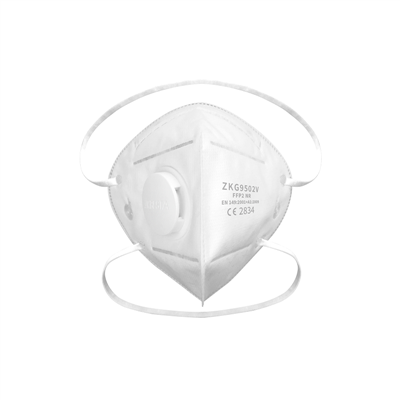
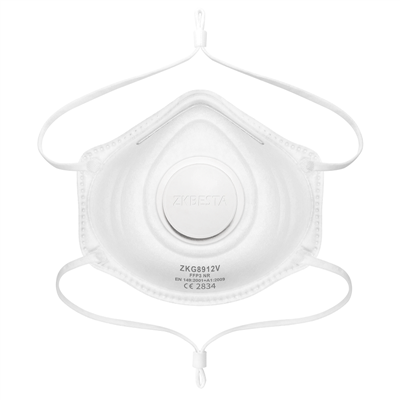
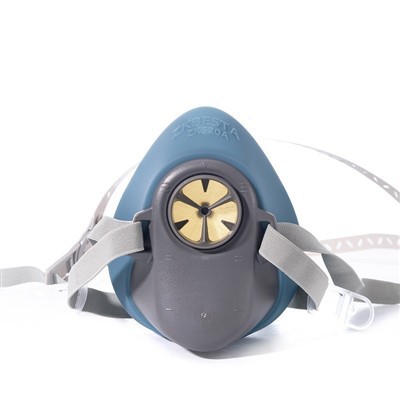
- Use respiratory protection, such as masks with organic vapor filters.
- Install air purification systems to capture harmful gases and particles.
- Provide training on safe handling of paints and equipment.
In summary, car spray painting releases harmful gases like VOCs, isocyanates, and formaldehyde, which require strict safety protocols to protect workers' health.