In metal processing, various harmful gases are generated depending on the materials, processes, and chemicals used. These gases pose significant health risks to workers and require proper management to ensure a safe working environment. Below are some common hazardous gases and their sources:
1. Metal Fumes
- Sources: Welding, cutting, smelting, and casting processes involving high temperatures.
- Harmful Components: Zinc oxide, lead oxide, cadmium oxide, chromium, and nickel oxides.
- Health Risks: Metal fume fever (e.g., zinc fever), lung damage, and neurological disorders.
2. Ozone (O₃)
- Sources: Generated by ultraviolet radiation reacting with oxygen during welding, especially arc welding.
- Health Risks: Respiratory irritation, coughing, chest tightness, and potential long-term lung function decline.
3. Carbon Monoxide (CO)
- Sources: Incomplete combustion of carbon-based materials during high-temperature processes.
- Health Risks: Binds with hemoglobin, reducing oxygen transport in the blood, leading to headaches, dizziness, and, in severe cases, death.
4. Nitrogen Oxides (NOₓ)
- Sources: Formed when nitrogen and oxygen react at high temperatures during welding or cutting.
- Health Risks: Respiratory irritation, lung inflammation, and chronic respiratory diseases.
5. Volatile Organic Compounds (VOCs)
- Sources: Evaporation of solvents, cleaners, paints, or lubricants used in metal processing.
- Health Risks: Headaches, nausea, and potential long-term damage to the liver, kidneys, and nervous system.
6. Hydrogen Sulfide (H₂S)
- Sources: Produced during the processing of certain metals (e.g., copper, lead) or acid pickling.
- Health Risks: Highly toxic; low concentrations cause headaches and nausea, while high concentrations can lead to coma or death.
7. Hydrogen Fluoride (HF)
- Sources: Generated during the processing of metals like aluminum and magnesium or when using fluorine-containing chemicals.
- Health Risks: Highly corrosive, causing severe damage to the skin, eyes, and respiratory tract.
8. Ammonia (NH₃)
- Sources: Produced during certain metal surface treatments, such as nitriding.
- Health Risks: Irritates the eyes and respiratory tract; high concentrations may cause pulmonary edema.
9. Chlorine (Cl₂)
- Sources: Released when using chlorine-containing chemicals, such as pickling solutions.
- Health Risks: Strong irritant, causing respiratory tract damage and lung inflammation.
10. Benzene and Derivatives
- Sources: Evaporation of benzene-containing solvents or paints.
- Health Risks: Carcinogenic; long-term exposure increases the risk of leukemia.
Protective Measures:
- Use local exhaust ventilation (LEV) and air purification systems.
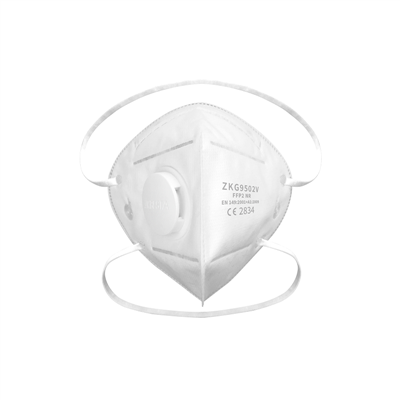
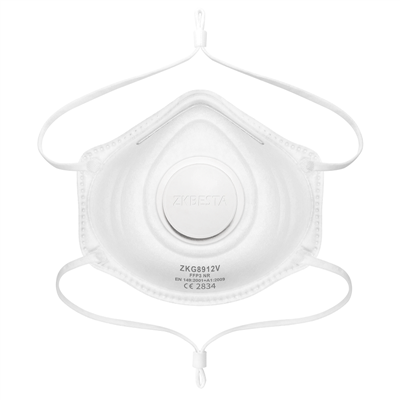
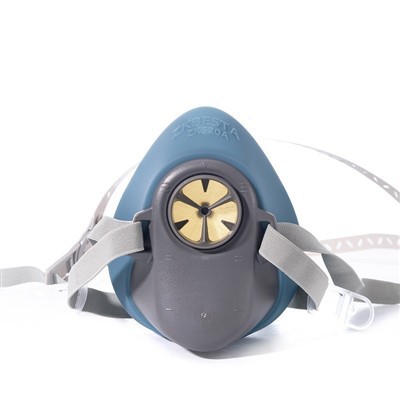
- Wear appropriate respiratory protection (e.g., P100 filters).
- Regularly monitor air quality to ensure compliance with occupational exposure limits (OELs).
- Provide employee training to enhance safety awareness and operational standards.
In summary, metal processing generates a range of hazardous gases that require strict control measures to protect worker health and ensure a safe workplace.