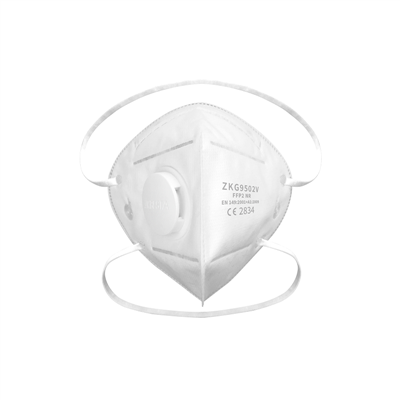
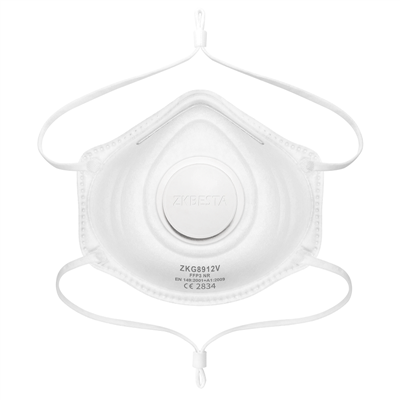
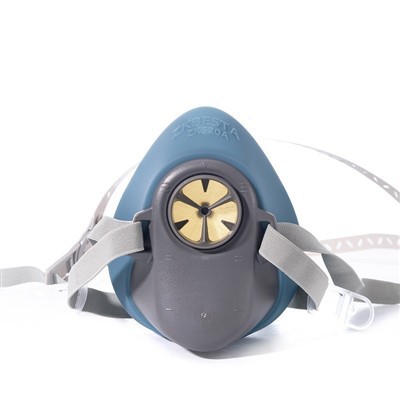
For HSE managers and procurement directors, the primary risk in sourcing gas mask filters is not price-it is the breakthrough time. A filter that fails to meet EN14387:2004+A1:2008 standards offers zero protection against toxic vapors. When sourcing directly from a manufacturer, the decision matrix shifts from simple unit cost to verifiable technical compliance, production capacity, and supply chain transparency.
This guide outlines the engineering and commercial criteria for validating a direct factory supplier for respiratory protection equipment, specifically focusing on particle and gas filtration systems.
1. The Cost vs. Compliance Equation: Intermediaries vs. OEMs
Trading companies often aggregate products from multiple workshops, leading to inconsistent material batches. A direct factory relationship ensures that the melt-blown non-woven fabrics and activated carbon used in production match the specifications in the technical data sheet (TDS).
Key Sourcing Advantages of Direct Manufacturing:
Traceability: Raw material lots (e.g., activated carbon iodine number) are tracked from intake to final assembly.
R&D Control: Modifications to the 4/6-point suspension systems or filter housing geometry can be executed without third-party communication lag.
Cost Structure: Elimination of intermediary margins allows for competitive pricing on OEM/ODM orders without sacrificing material quality.
2. Technical Verification: The Factory Audit Checklist
When evaluating a potential supplier like ZKBESTA, technical due diligence must precede commercial negotiation. Do not rely on marketing claims; demand physical evidence of production capability and quality control.
Production Line Verification A capable facility should demonstrate automated production lines to ensure consistency. For example, ZKBESTA operates 19 fully automatic mask production lines and 10 half/full mask production lines. This capacity supports a supply ability of 900,000 pieces per day, ensuring that large-scale infrastructure or mining projects are not delayed by production bottlenecks.
Quality Management Systems Verify that the factory holds valid certifications. Look for:
ISO 9001:2015: General quality management.
ISO 13485:2016: Specific to medical device quality management (critical for surgical masks and medical respirators).
ISO 14001:2015: Environmental management compliance.


3. Decoding Filter Standards: EN149 vs. EN14387
Procurement officers must distinguish between particulate filters and gas/vapor filters, as the testing protocols differ significantly.
Particulate Filtration (EN149:2001+A1:2009) This standard applies to filtering half masks (FFP1, FFP2, FFP3). The critical metric is Filtration Efficiency against NaCl and Paraffin oil aerosols.
|
Classification |
Min. Filtration Efficiency (NaCl) |
Total Inward Leakage (TIL) |
Typical Application |
|
FFP1 |
≥ 80% |
≤ 22% |
Low toxicity dust, solid particles |
|
FFP2 |
≥ 94% |
≤ 8% |
Welding fumes, pharmaceutical powders |
|
FFP3 |
≥ 99% |
≤ 2% |
Carcinogens, radioactive particles, viruses |
Gas & Vapor Filtration (EN14387:2004+A1:2008) For gas mask filters (cartridges), the standard defines the Class and Type. A direct factory must prove the Breakthrough Time for each specific chemical family.
Type A (Brown): Organic vapors (Boiling point > 65°C).
Type B (Grey): Inorganic gases (e.g., Chlorine, Hydrogen Cyanide).
Type E (Yellow): Acidic gases (e.g., Sulfur Dioxide).
Type K (Green): Ammonia and organic ammonia derivatives.
Engineering Note: Always check the breathing resistance values. High filtration efficiency should not result in excessive inhalation resistance. ZKBESTA filters are engineered to maintain low breathing resistance while meeting the strict breakthrough time requirements of EN14387.
4. The Importance of Pre-Shipment Sample Testing
Never authorize a bulk order without physical validation. Reputable manufacturers, including ZKBESTA, provide free samples for technical verification (freight collect).
Sample Testing Protocol:
- Fit Testing: Conduct a quantitative fit test (QNFT) using the EN136:1998 protocol to ensure the seal matches your workforce's facial anthropometry.
- Valve Resistance: Measure exhalation valve resistance. It should be < 30Pa to prevent heat stress and CO2 buildup.
- Material Compatibility: If using the filters in painting or chemical environments, verify the housing material (usually HDPE or ABS) is resistant to the specific solvents used on-site.
5. Commercial Terms & Logistics
Once technical compliance is established, the commercial terms define the partnership's viability.
MOQ and Lead Times
Standard Models: Low MOQ (e.g., 500pcs) allows for flexible stocking.
OEM/ODM: Custom branding (silk print or mold customization) typically requires higher volumes (e.g., 2,000+ pcs).
Lead Time: A direct factory should offer rapid turnaround-typically 15 days for samples and 25 days for bulk production after deposit confirmation.
Packaging & Shipping :Efficient packaging reduces logistics costs. Standard configurations often include 1 PCS/Bag, 25/50 PCS/Box. Verify if the factory supports FOB Xiamen based on your logistics network.
Conclusion: Validating Your Supply Chain
Sourcing directly removes opacity from the supply chain. By focusing on EN149 and EN14387 certification data, verifying production capacity (e.g., 900k/day), and utilizing sample testing protocols, procurement leaders can secure high-performance PPE at optimal price points.
For technical datasheets or to initiate a sample request, contact the engineering team directly.
[Request bulk pricing & OEM spec sheet]
FAQ
Q: How do I verify if your CE certificate for FFP3 masks is authentic?
A: Authenticity is verified via the EU NANDO database. ZKBESTA's EN149:2001+A1:2009 certificate (issued by a Notified Body) covers FFP2 and FFP3 classes. We can provide the specific certificate number and test reports from the notified body upon request.
Q: What is the standard MOQ and lead time for OEM respirators with a custom logo?
A: For silk-print logos on standard models, the MOQ is typically 500pcs. For custom mold development, the MOQ is 2,000pcs. Lead times are approximately 15 days for samples and 25 days for bulk orders after deposit receipt.
Q: Are your organic vapor cartridges compatible with other brands of half masks?
A: Our A1/B1/E1/K1 cartridges utilize the standard EN14387 bayonet mount (or standard thread depending on model), making them compatible with most major brands of EN140-certified half masks. Please send your current mask model for a compatibility confirmation.