Pneumoconiosis is a group of lung diseases caused by the inhalation of dust particles, often in occupational settings, leading to inflammation and scarring of lung tissue. Common types include coal workers' pneumoconiosis (black lung disease), silicosis, and asbestosis. Here are five key hazards and impacts of pneumoconiosis:
1. Respiratory Failure: Prolonged exposure to dust can severely damage lung function, leading to difficulty breathing and, in advanced cases, respiratory failure.
2. Chronic Cough and Fatigue: Patients often experience persistent coughing, shortness of breath, and extreme fatigue, reducing their quality of life.
3. Increased Risk of Infections: Scarred lung tissue is more susceptible to infections like tuberculosis and pneumonia.
4. Progressive Disability: As the disease worsens, it can lead to permanent disability, limiting the ability to work or perform daily activities.
5. Higher Mortality Risk: Severe cases of pneumoconiosis can lead to premature death due to complications like heart failure or lung cancer.
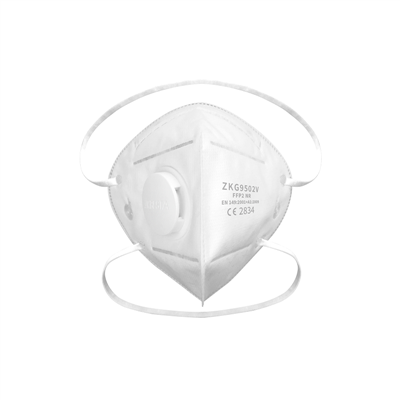
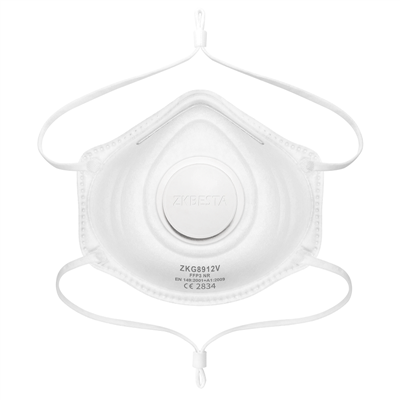
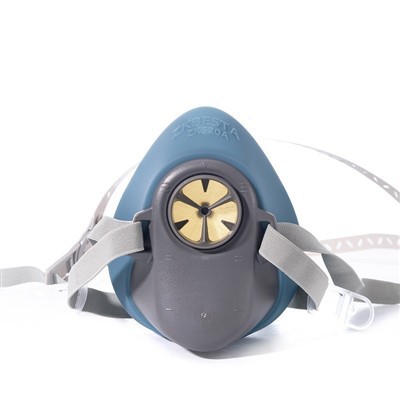
Prevention through proper protective equipment and workplace safety measures is crucial to reducing the risk of pneumoconiosis.