


When it comes to mining operations, safety is of paramount importance. Among the essential safety equipment, mining safety helmets stand out as a crucial line of defense for miners. As a leading supplier of mining safety helmets, I understand the significance of ensuring that these helmets meet strict standards to protect the lives and well - being of miners. In this blog, I will delve into the standards that mining safety helmets need to meet.
Impact Resistance
One of the most fundamental requirements for mining safety helmets is impact resistance. Miners work in environments where there is a constant risk of falling objects, such as rocks, tools, or debris. A helmet must be able to absorb and distribute the force of an impact to prevent serious head injuries.
The helmet's shell is the first line of defense. It is typically made of high - strength materials such as polycarbonate or fiberglass. These materials are chosen for their ability to withstand high - energy impacts without cracking or shattering. For example, polycarbonate has excellent toughness and can deform under impact, which helps to dissipate the energy.
In addition to the shell, the helmet's suspension system also plays a vital role in impact resistance. The suspension helps to position the helmet correctly on the head and provides a cushioning effect. It should be adjustable to fit different head sizes and shapes, ensuring a snug and comfortable fit. A well - designed suspension system can reduce the amount of force transferred to the head during an impact.
Penetration Resistance
Mining environments often present the risk of sharp objects penetrating the helmet. For instance, a pointed rock or a protruding metal object could potentially pierce through the helmet and cause severe head trauma. Therefore, mining safety helmets must have good penetration resistance.
The shell material's thickness and strength are key factors in determining penetration resistance. The helmet should be able to withstand the impact of a sharp object without allowing it to penetrate to the head. Standards typically specify the type of test object and the force with which it should be applied during penetration testing. For example, a standard test might involve dropping a pointed object from a certain height onto the helmet to simulate a real - world penetration scenario.
Electrical Insulation
In many mining operations, there is a risk of electrical hazards. Miners may come into contact with live electrical wires or equipment. A mining safety helmet with proper electrical insulation can protect the wearer from electric shocks.
The helmet's shell and any other components that come into contact with the head should be made of electrically insulating materials. These materials should have a high resistance to the flow of electricity. Standards usually define the maximum allowable electrical conductivity of the helmet materials to ensure that they provide adequate protection.
Flame Resistance
Mining sites can be prone to fires, whether from spontaneous combustion, equipment malfunctions, or other sources. A mining safety helmet should be flame - resistant to prevent it from catching fire and causing additional harm to the wearer.
The helmet's materials should be able to self - extinguish within a specified time after being exposed to a flame. Flame - resistant materials are often treated with special chemicals during the manufacturing process to achieve this property. Standards for flame resistance typically include tests where the helmet is exposed to a controlled flame for a certain period, and the time it takes for the flame to go out is measured.

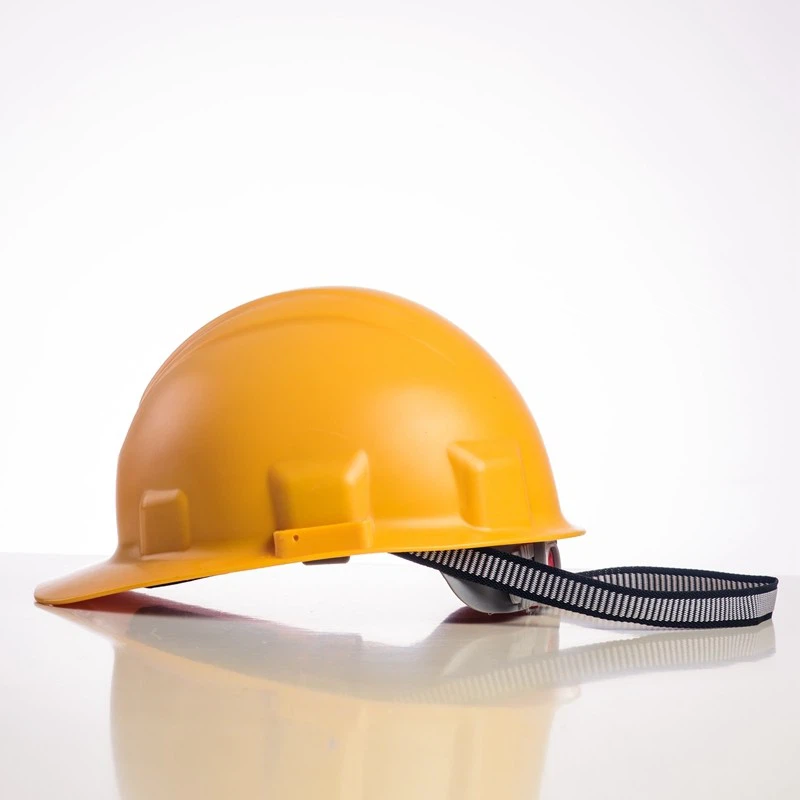
Comfort and Fit
While safety is the primary concern, comfort and fit are also important factors for mining safety helmets. Miners often wear helmets for long hours, and an uncomfortable helmet can lead to distractions and decreased productivity.
The helmet should be lightweight to reduce fatigue on the neck and shoulders. It should also have a well - designed ventilation system to keep the head cool and dry. Adequate ventilation can prevent excessive sweating, which can cause discomfort and may also affect the helmet's fit.
As a mining safety helmet supplier, we offer a wide range of products that meet these standards. For example, our Safety Helmet with Rechargeable Led Headlamp not only provides excellent safety features but also comes with a convenient rechargeable LED headlamp for better visibility in dark mining environments. Our Mining Safety Helmet is designed to meet all the necessary safety requirements, including impact resistance, penetration resistance, electrical insulation, and flame resistance. And for those who need additional lighting options, our Head Lights for Hard Hats are a great choice.
If you are in the market for high - quality mining safety helmets, we invite you to contact us for procurement and further discussions. Our team of experts can provide you with detailed information about our products and help you choose the right helmets for your specific mining needs. We are committed to providing the best safety solutions for miners around the world.
References
- American National Standards Institute (ANSI). Standards for safety helmets in industrial applications.
- International Organization for Standardization (ISO). Safety helmet standards for various industries, including mining.
- Mine Safety and Health Administration (MSHA). Regulations and standards for mining safety equipment, including helmets.


